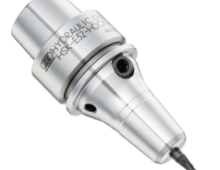
This simple switch makes life much easier because it introduces more standardization to the shop floor, reduces the burden on operators, increases setup speed and dramatically reduces the chances of human error. All of which saves time and realizes return on investment – and each additional machine helps increase the rate of return.
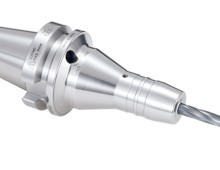
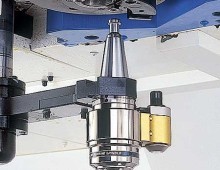
Shrink-fit and hydraulic holders are both useful in low clearance, tight work envelopes found in moldmaking and multi-axis machining applications. When deciding which one to use, their differences will guide your choice. Here are some of the fundamental contrasts to help you decide which holder type is best for your work.
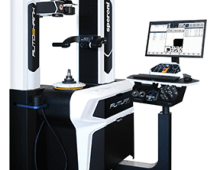
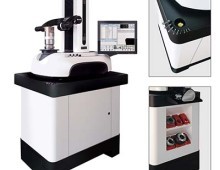
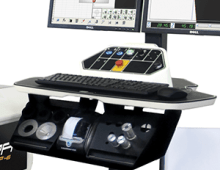
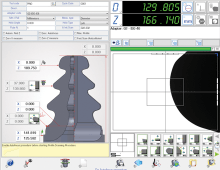
In-machine laser technology is touted by machine tool builders and distributors as the way of the future and an indispensable tool for machinists. Do you really need an offline presetter if you have in-machine lasers?
The limitations of using milling tools to prepare holes for finishing become apparent as hole depth and volume increase. Enter the relatively simple and affordable twin cutter, which can solve this and virtually any other holemaking problem.
When that inevitable job arises that requires higher RPM output, operators are left with the choice of replacing the machine altogether to gain higher productivity, or looking into an attachment, like a spindle speeder, to close the RPM gap.
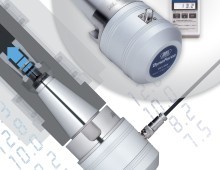
BIG DAISHOWA announces the introduction of the world’s smallest hydraulic chuck for HSK-E25 machine spindles, thus completing its extensive range of Slim Hydraulic Chucks.