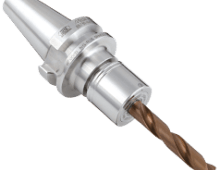
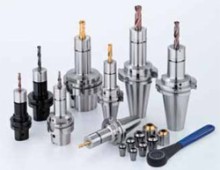
BIG DAISHOWA’s Mega ER Grip was designed to outperform all standard ER systems in the four most critical areas of tool holder performance: clamping force, concentricity, rigidity and balance at high spindle speeds.
BIG DAISHOWA has introduced MEGA ER Grip, a new premium ER collet chuck system featuring the best runout accuracy in the industry: .00012" (3 microns) at 5xD.
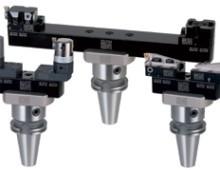
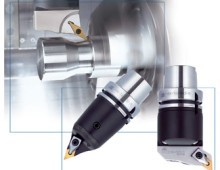
BIG DAISHOWA has introduced the new, large diameter Kaiser 318 Series - a complete tooling system supporting a variety of aluminum and steel components optimized for twin cutter rough boring, precision finish boring and precision OD turning operations.
BIG DAISHOWA continues to deliver world-class service and support by eliminating the need to ship tools abroad for repair, minimizing customer downtime.
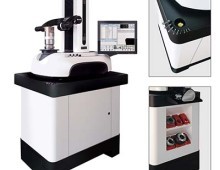
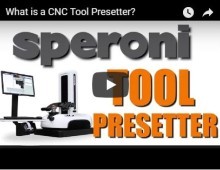
John Saunders, a machine owner known for running the popular CNC machining YouTube channel, stopped by BIG DAISHOWA to discuss presetters with our product manager.