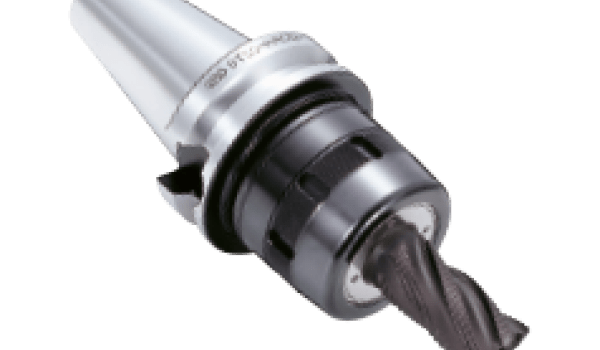
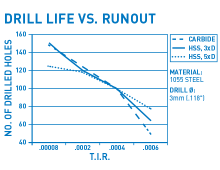
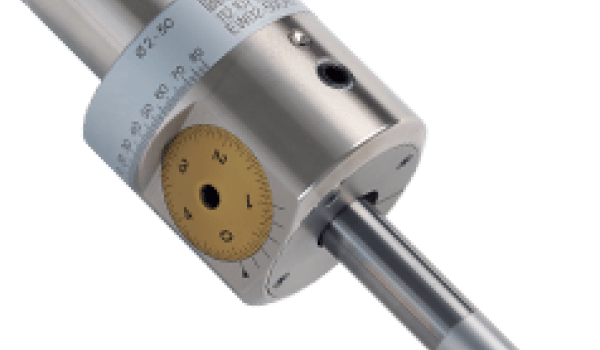
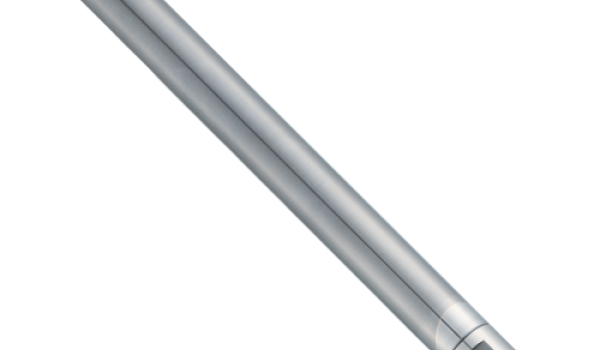
The further the tool does its work from the spindle, the more room for error. Deep pockets and cavities usually signify that a part is nearing completion, making the smallest of errors almost impossible to recover from and very costly.
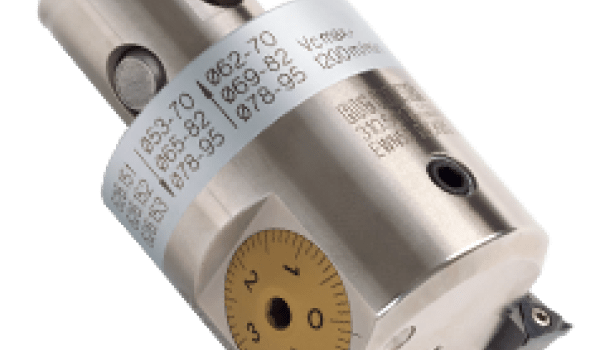
Modular Turning Tools for most common spindle interfaces offers optimal tool length, large selection of insert types, approach angles, and a variety of standard boring bar and square shank adapters.
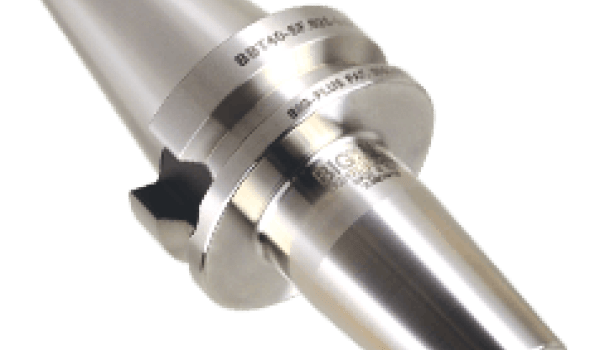
After years of close observation and collaboration with manufacturing companies of all sizes, BIG DAISHOWA Seiki engineers have learned how the choice of tool holders affects production costs on the shop floor.
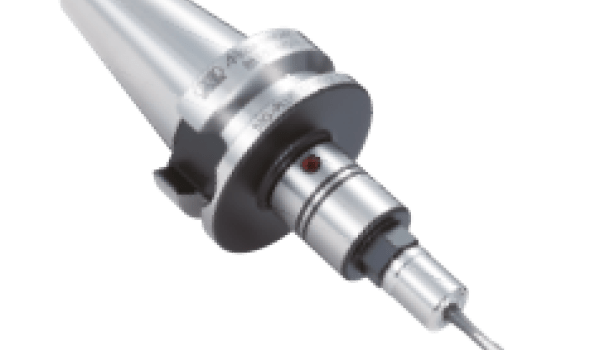
The MGT3 series is designed for very small tap sizes. The MEGA Micro collet controls dynamic runout accuracy providing stable thread quality and extended tap life.
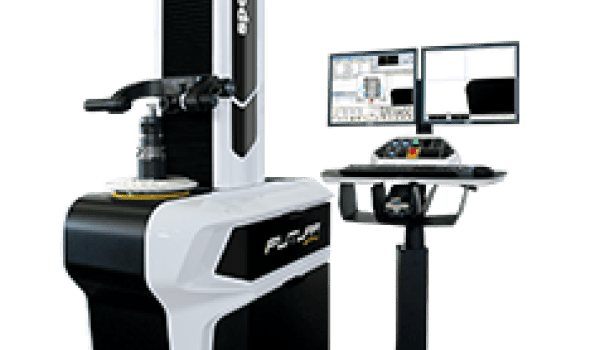
SPERONI Tool Presetters measure the cutting edges of your tools to assure they precisely match job specifications and are ready to be used in the machine.
Have you had a chance to read our recent article that appears in the Fabricating & Metalworking Magazine? Alan Miller, informs readers about different ways to absorb synchronization error.