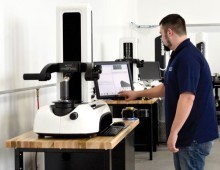
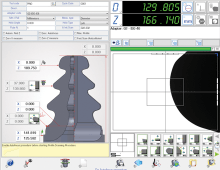
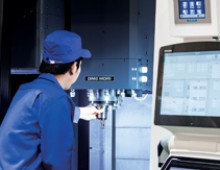
Tool management system (TMS) software & a tool presetter can accomplish both cutting cost and increases in productivity for a shop’s day-to-day activities.
Shops are leaving more than 30 percent of potential cutting tool life on the table by using poor-quality tool holders. With carbide costs rising, few shops can afford the waste. Learn how better tool holding improves tool life and reduces costs.
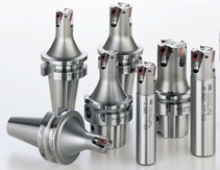
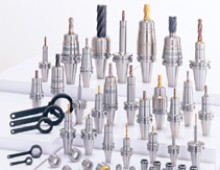
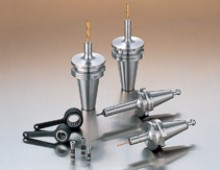
When choosing a tool holder, you want consistent results and long service life. Check out these considerations for rigid, consistent and durable tool holders.
We often emphasize superior tooling, improved tool performance, and our exceptionally high standards. Find out what people are saying about BIG DAISHOWA!
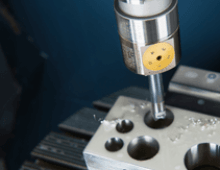
The Lollipop cutter from SPHINX is the newest addition to its end mill cutter lineup. It is ideal for machining undercuts, deburring and multi-axis machining.
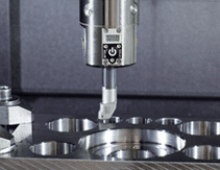
CNC machine tool efficiency is all about managing the components that must come together in proper alignment: the machine spindle, toolholder assembly and workspace.
As lathes and turning machines pivot toward quick-change tooling models from traditional stick tools, tool presetters present benefits of keeping chips flying while reducing human error and increasing precision.
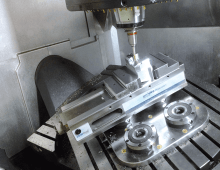
Even though it has been around forever, does the vise have limitations for shops in a competitive marketplace? Do you need to reinvent the wheel to reduce some of its limitations? To evaluate the vise’s viability in today’s manufacturing operations, we need to uncover the most efficient way to apply it.
Learn how to evaluate precision tooling quality with expert tips on AT tolerance, tool components, and manufacturing processes to improve accuracy, performance and cost efficiency in machining.
Automated solutions are becoming more and more prominent in the machining industry. BIG DAISHOWA discusses the market’s current state, its latest developments and what it might look like in the future.
Discover how the right tool holder solved serious cutting challenges from reducing runout and streamlining operations to enabling efficiency and boosting part quality.
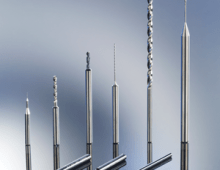
The medical industry pushes the limits of precision for machining and tools. The trend toward less-invasive surgery using smaller parts translates to a need to better control the precision and tolerances of micromachining processes.