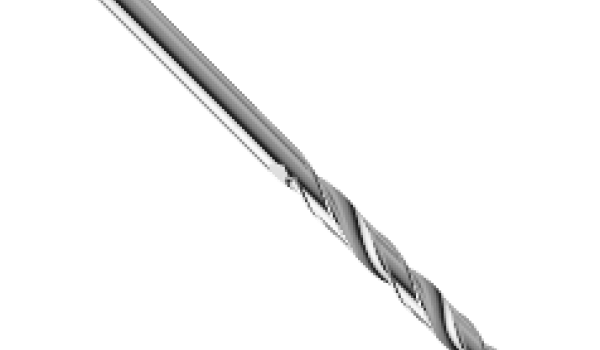
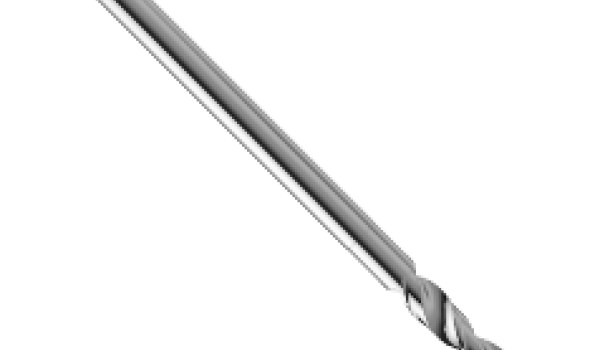
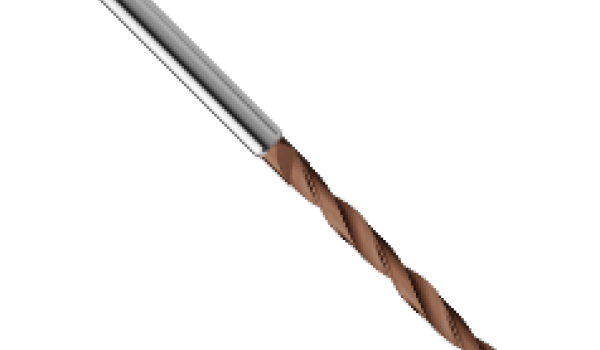
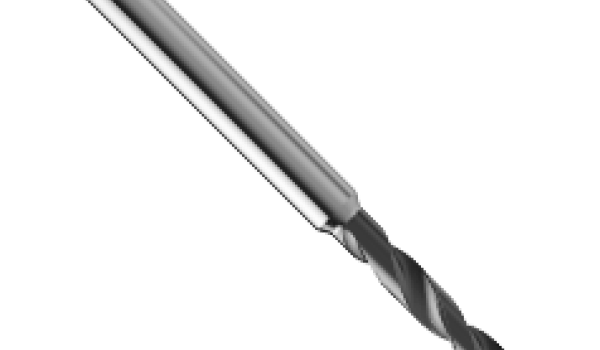
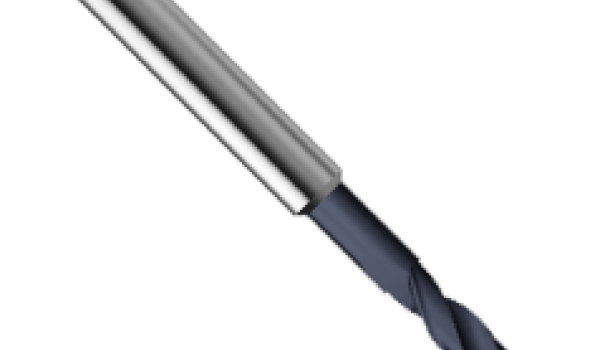
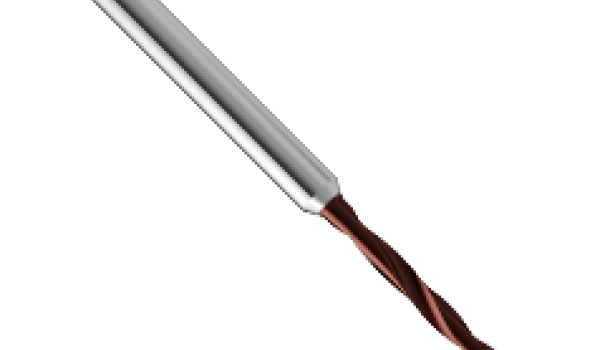
The Posicut drill is an excellent choice when a high-quality, low-cost solution is necessary. Reduces deflection and vibration while increasing tool life.
High-Performance Phoenix TC2 Drill is the newest high-performance drill geometry and is our first choice for high volume, production drilling applications.
The high-performance Nirox drill is available in diameters from 0.30 - 3.00 mm. It was developed for use at low cutting speeds and unstable environments.
The medical industry pushes the limits of precision for machining and tools. The trend toward less-invasive surgery using smaller parts translates to a need to better control the precision and tolerances of micromachining processes.
The contract manufacturer Schittl from Deutsch Kaltenbrunn specializes in the production of one-offs and small series projects. Based on a recommendation from the multi-brand dealer Metzler, they use chucks from BIG DAISHOWA. This is their story.
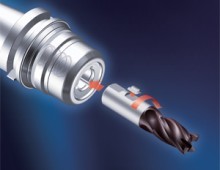
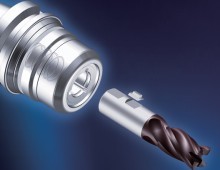
Pullout is a major issue facing manufacturers using milling chucks, especially when machining heat-resistant super alloys (HRSA) like titanium or inconel