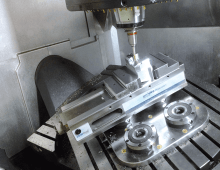
Even though it has been around forever, does the vise have limitations for shops in a competitive marketplace? Do you need to reinvent the wheel to reduce some of its limitations? To evaluate the vise’s viability in today’s manufacturing operations, we need to uncover the most efficient way to apply it.
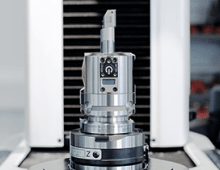
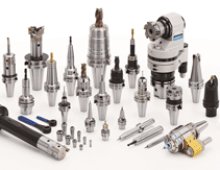
Milling is a core operation in all kinds of manufacturing environments. Here are five different types of milling holders, each with their own strengths and weaknesses. We’re here to help you choose with a breakdown and tips for using each.
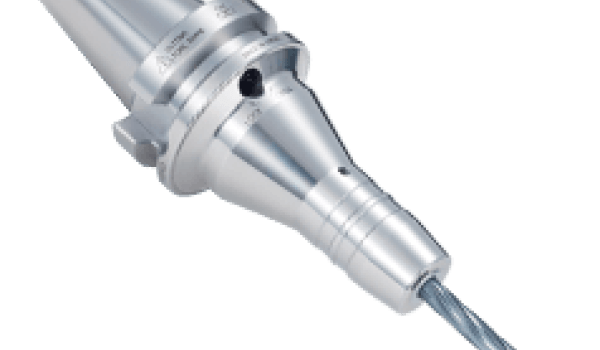
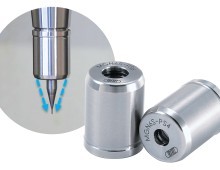
The Perfect Jet Collet, also known as PJC, is the perfect solution for achieving optimum end milling operations. Utilizing a peripheral coolant supply minimizes the loss of coolant caused by centrifugal forces during spindle rotation.
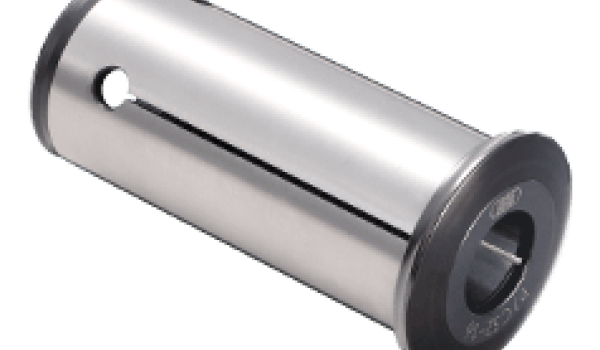
Hydraulic Chucks are ideal tool holders for machining processes that require high accuracy such as drills, reamers, ball mills, end mills, diamond reamers and grinding tools.
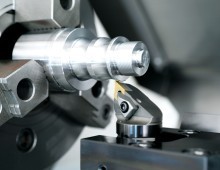
BIG DAISHOWA is expanding its range of BIG Capto tool holders with the addition of a new size, C4, which is becoming increasingly popular as a quick-change system for turret tooling on lathes.
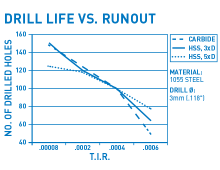
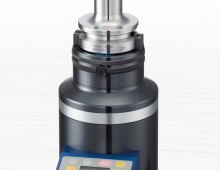
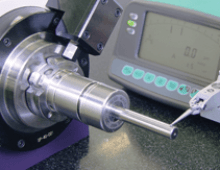
Runout is one of the sneakier issues machinists and tool managers must deal with. It’s almost impossible to recognize in-process and difficult to diagnose after the fact. We identify potential sources.
For many shops setup may be the silent time killer. Shaving just 15 minutes off each setup can add up to tens of thousands of dollars in savings. But where to start?
Considering we deal in some of the smallest parts and pieces in the machining world, we fully understand that your results will be only as strong as your weakest link.