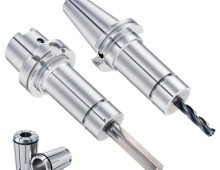
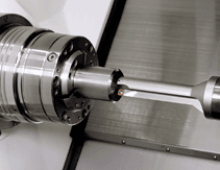
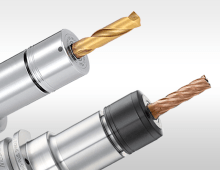
BIG DAISHOWA’s MEGA NEW BABY CHUCK has been delivering extreme precision for more than 20 years and is now available with up to ø1″ clamping for drills, reamers and finishing end mills with .00004″ runout accuracy.
Pullout is a major issue facing manufacturers using milling chucks, especially when machining heat-resistant super alloys (HRSA) like titanium or inconel
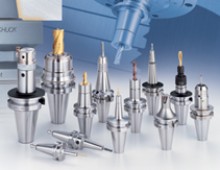
Milling is a core operation in all kinds of manufacturing environments. Here are five different types of milling holders, each with their own strengths and weaknesses. We’re here to help you choose with a breakdown and tips for using each.
With thousands of part numbers to choose from, product selection can be a bit overwhelming. Take a look at some overlooked products and services that can help guarantee higher performance for your shop.
When it comes to dialing in an ER system’s performance to match a specific application’s requirements or long life, there are three components to consider: the collet, the body of the holder and the nut.
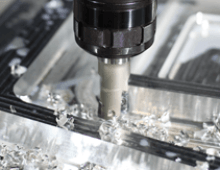
Machining at higher speeds can save time and money, however, increasing the speed also means increasing the inherent risk in the situation. To maximize speed potential, a holistic approach that considers tool, holder, machine and operator is essential.
When it comes to boring, there are several factors that can lead to poor performance. Whether it’s long cycle times, short tool life or poor bore quality, any or all these factors may need to be addressed in order to increase productivity. Although different, these issues are often closely linked in a given application.