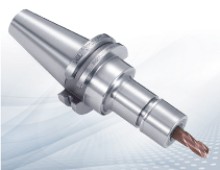
Because of the popularity of BIG-PLUS, many tooling companies, without a proper license, offer what they call dual-contact tooling. But not all dual-contact is the same. Let’s tackle a few of the most common misconceptions.
A machine’s spindle is one of the key links in the machining chain. It makes regular inspection and spindle maintenance critical to getting the most out of your equipment and maintain process efficiency.
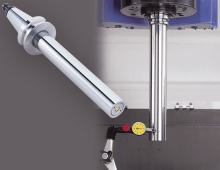
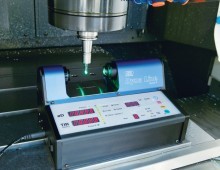
Good measurements make setups faster, reduce recuts and identify potential spindle or holder issues before they become bigger problems. Let’s look at a few of the key areas to measure and the handy solutions available.
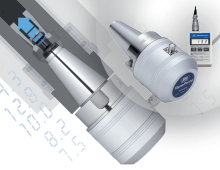
Insufficient retention force of the spindle clamping mechanism could lead to reduced rigidity and vibrations, loss of machining quality, poor surface finish and shortened tool life. To help solve this problem, we have developed Dyna Force, a device for measuring the retention force of machine tool spindles.
For many shops setup may be the silent time killer. Shaving just 15 minutes off each setup can add up to tens of thousands of dollars in savings. But where to start?
Maintenance is really important and kind of a pain. When it comes to all-important spindle maintenance, you can avoid the pain by using simple tools and devices.
Explore the versatility of the HSK tool system. Learn about the types, advantages and best uses of HSK tool holders to optimize your shop’s efficiency.
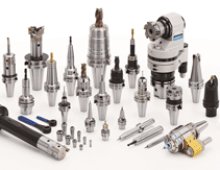
Unlock better machining results with the right tool holders. Learn how design, selection and maintenance impact accuracy, tool life and overall performance.
Five-axis roughing can be painstaking. Pairing the right holder with the right cutter can save serious time while cutting and when setting up -- and eliminate those pain points.
Machining at higher speeds can save time and money, however, increasing the speed also means increasing the inherent risk in the situation. To maximize speed potential, a holistic approach that considers tool, holder, machine and operator is essential.
Chattering and deflection have always been the bane of machinists’ existence, so much so that the sight of a long and slender tool holder will immediately cause goosebumps. If you understand why a long tool holder behaves the way it does, you’ll know that there are ways to fight back against this bending.
When choosing a tool holder, you want consistent results and long service life. Check out these considerations for rigid, consistent and durable tool holders.