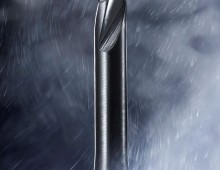
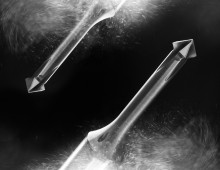
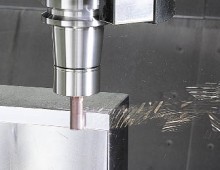
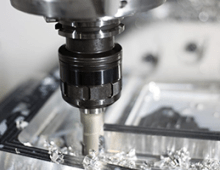
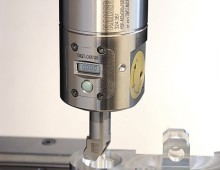
Chamfering the entry and exit of 0.80mm to 6.00mm holes can be a tedious, time-consuming process. The Noventa from SPHINX can transform this process using an innovative geometry that improves cycle time, tool life and surface quality.
Many machine shops lack objective criteria for making toolholder purchasing decisions & most are made by price alone. However they can improve runout significantly by using the right toolholders.
By using digital technology and optimized indexable inserts, Schmauser Müller Metalltechnik has increased process reliability and efficiency in fine boring, as well as increased the lifetime of its tools by a factor of three.
Aerospace is unique among industries in its thirst for component accuracy with ‘blemish-free’ precision. Unlike any other industry, anything that goes into the air has to be on spec, as the smallest imperfection in machining can adversely affect flight safety.
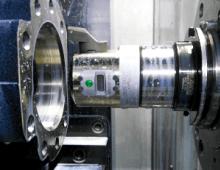
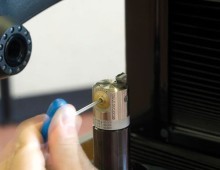
The return on investment from digital boring comes from the time saved making adjustments on the spindle, as well as the increased adjustment accuracy.
The contract manufacturer Schittl from Deutsch Kaltenbrunn specializes in the production of one-offs and small series projects. Based on a recommendation from the multi-brand dealer Metzler, they use chucks from BIG DAISHOWA. This is their story.
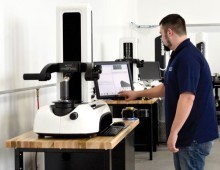
The presetting machines available today are accurate, easy to use and provide closed-loop tool compensation on the CNC machine tool, saving significant time during job change-over.
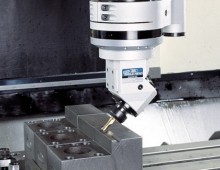
Keeping pace with modern manufacturing demands often means bridging the gap between design and production. Creative and resourceful applications of tooling and accessories, such as angle heads, can get complex parts out the door.
As lathes and turning machines pivot toward quick-change tooling models from traditional stick tools, tool presetters present benefits of keeping chips flying while reducing human error and increasing precision.
As cutting tool manufacturers increase the recommended operating conditions for their products, users achieve the desired result: shorter cycle times on existing machine tools.
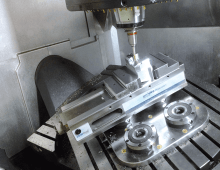
Even though it has been around forever, does the vise have limitations for shops in a competitive marketplace? Do you need to reinvent the wheel to reduce some of its limitations? To evaluate the vise’s viability in today’s manufacturing operations, we need to uncover the most efficient way to apply it.