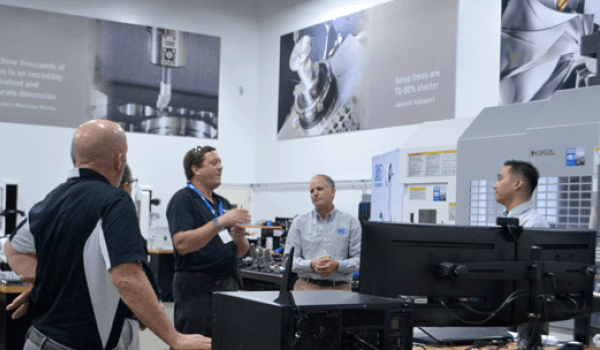
BIG DAISHOWA’s suburban Chicago headquarters is home to our engineering, sales, service and marketing teams; training center; warehouse and repair center.
BIG DAISHOWA is a premium industrial tooling company, whose mission is to deliver the best CNC tool holders, precision boring tools, high-performance cutting tools, tool presetters and workholding solutions.
BIG DAISHOWA recently joined Okuma America Corporation’s Partners in THINC network, a collaborative network of 40+ companies that service the metalcutting and manufacturing industries.
If there’s anything we love as much as the sound of those engines, it’s the manufacturing technology and know-how that go into making high-performance, race-winning cars. Together with Team Penske, and just in time for the 2020 season start at Daytona, we are launching a series of short videos to talk machine shop.
The concept of using guide pins to load large fixtures has been around for a long time, and it even applies when incorporating Unilock zero-point clamping systems in your fixturing.
Learn the key competitive advantages of the BIG DAISHOWA family of products through a hands-on technical approach combined with sales-driven discussions.
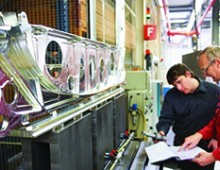
Aerospace is unique among industries in its thirst for component accuracy with ‘blemish-free’ precision. Unlike any other industry, anything that goes into the air has to be on spec, as the smallest imperfection in machining can adversely affect flight safety.
Chattering and deflection have always been the bane of machinists’ existence, so much so that the sight of a long and slender tool holder will immediately cause goosebumps. If you understand why a long tool holder behaves the way it does, you’ll know that there are ways to fight back against this bending.
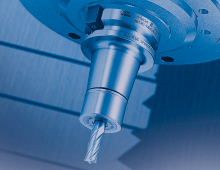
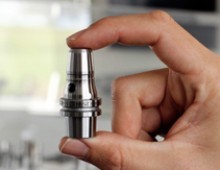
Explore the versatility of the HSK tool system. Learn about the types, advantages and best uses of HSK tool holders to optimize your shop’s efficiency.
Because of the popularity of BIG-PLUS, many tooling companies, without a proper license, offer what they call dual-contact tooling. But not all dual-contact is the same. Let’s tackle a few of the most common misconceptions.