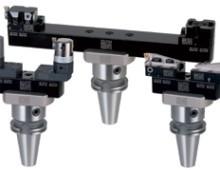
BIG DAISHOWA has introduced the new, large diameter Kaiser 318 Series - a complete tooling system supporting a variety of aluminum and steel components optimized for twin cutter rough boring, precision finish boring and precision OD turning operations.
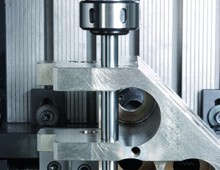
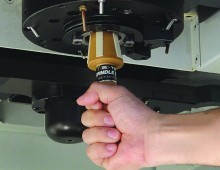
CNC machine tool efficiency is all about managing the components that must come together in proper alignment: the machine spindle, toolholder assembly and workspace.
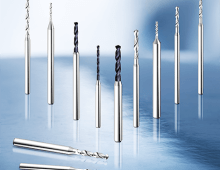
The medical industry pushes the limits of precision for machining and tools. The trend toward less-invasive surgery using smaller parts translates to a need to better control the precision and tolerances of micromachining processes.
Even among experienced machinists, choosing the right insert for boring a hole remains a difficult process that is fraught with myth and misconception. However, it is no myth that insert selection can completely save or kill performance on an application.
Upon completion and approval of your Success Story being used for BIG DAISHOWA promotional purposes, BIG DAISHOWA will issue a $1,000 Material Credit Certificate
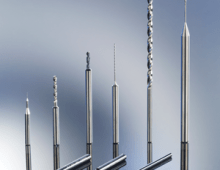
Manufacturing miniature parts and features is not new. In the past, EDM and laser technologies were used to create these features. Although these technologies worked for low volume jobs, they are not practical for the high volume micro applications that are in demand today.