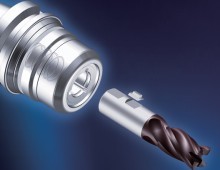
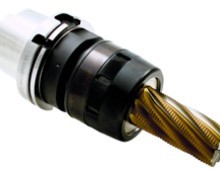
Pullout is a major issue facing manufacturers using milling chucks, especially when machining heat-resistant super alloys (HRSA) like titanium or inconel
In the latest edition of their Medical Manufacturing Yearbook, Manufacturing Engineering featured an article by our very own VP of Sales and Engineering, Jack Burley.
Just as your car’s health depends on regular oil changes and tune-ups, your shop tools and equipment require preventive maintenance to stay in good working order and to maximize life cycle.
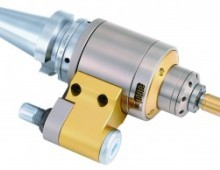
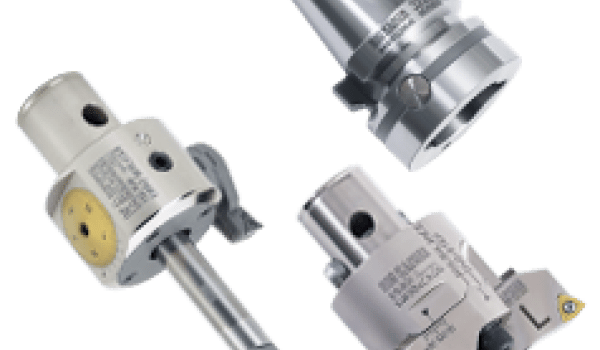
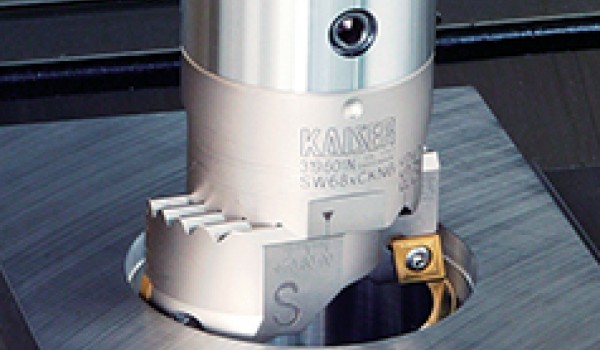
Rough boring heads and twin boring tools that are designed for ultimate performance and versatility. Small, medium and large diameter systems are available.
BIG DAISHOWA’s suburban Chicago headquarters is home to our engineering, sales, service and marketing teams; training center; warehouse and repair center.
BIG DAISHOWA GmbH is a sales company in Germany that specializes in the distribution of innovative, technologically leading products of the highest quality.
Usually recognized as a supplier to the metalworking industry, BIG KAISER is of course also a manufacturing company, facing similar challenges and opportunities as the customers we serve.
BIG DAISHOWA's HSK-A125 tooling system, for machines such as Makino's T2 and T4 models, is the ideal solution for the aerospace industry – capable of tackling large-scale titanium and other workpieces on massive tables.