There’s more than one way to make holes, but some approaches are better than others. Working with customers from across every industry, our team gets to see what works and what doesn’t. These are a few of the interesting questions—and unexpected answers.
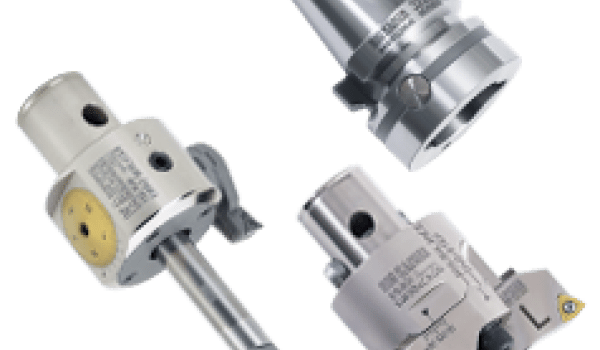
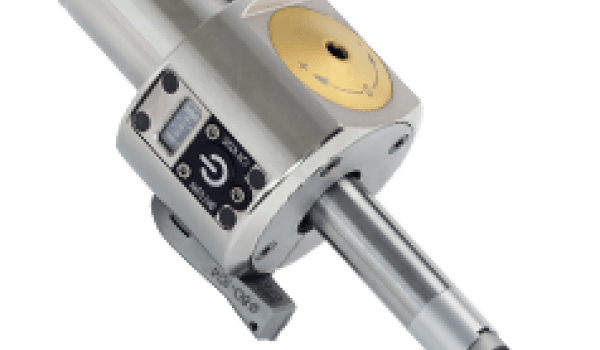
BIG KAISER compares the capabilities and performance of our intermediate fine boring heads to quickly find the tool that’s right for your unique application.
Aerospace is unique among industries in its thirst for component accuracy with ‘blemish-free’ precision. Unlike any other industry, anything that goes into the air has to be on spec, as the smallest imperfection in machining can adversely affect flight safety.
One of the most impactful tools in the BIG DAISHOWA suite of products is often overlooked. It’s durable and has all the best features for those looking to save time making hard-to-reach cuts. We’re talking about our AGU30 Universal Type Angle Heads.
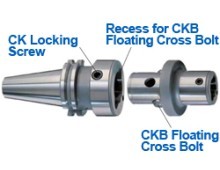
To realize new efficiencies and make things easier for end users, the name of the modular boring system connection was changed to be more in line with global standards.