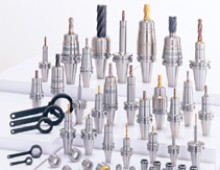
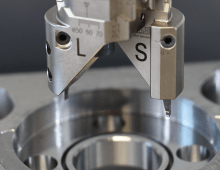
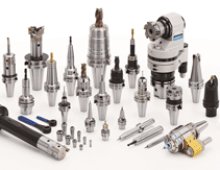
Learn how to evaluate precision tooling quality with expert tips on AT tolerance, tool components, and manufacturing processes to improve accuracy, performance and cost efficiency in machining.
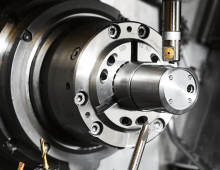
We’ve built our name on tool holders, boring tools, cutting tools and specialized solutions for the everyday and most demanding machining operations. You may be surprised to learn we have deep expertise in lathe tooling as well. We have to. Lathes are critical to the development and production of our tools.
For many shops setup may be the silent time killer. Shaving just 15 minutes off each setup can add up to tens of thousands of dollars in savings. But where to start?
There’s more than one way to make holes, but some approaches are better than others. Working with customers from across every industry, our team gets to see what works and what doesn’t. These are a few of the interesting questions—and unexpected answers.
No matter what, a new machine represents a significant cost in a manufacturing project. This investment can be compromised if it is not tooled up properly.
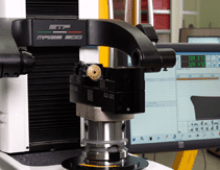
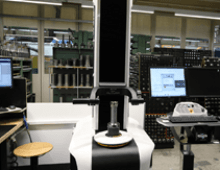
Machine shops of all shapes and sizes are facing more pressure than ever. While its primary purpose has traditionally been tool setup, tool presetters serve as both important tools and information hubs on the floor as technology advances.
We’ve seen and heard it all when it comes to boring holes. That said, there are always a few questions that pop up over and over. From optimizing modular boring assemblies to deciding between twin boring or high-feed milling, here’s some of our best boring advice.
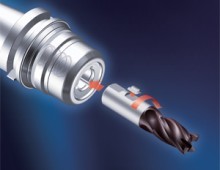
Pullout is a major issue facing manufacturers using milling chucks, especially when machining heat-resistant super alloys (HRSA) like titanium or inconel