

Latest Posts
Critical Factors for High-Speed Machining in Aerospace

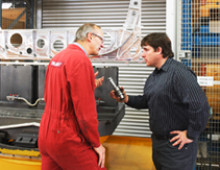
High-speed machining can dramatically boost productivity if your tooling and machine setups are up to the task, according to Nick Jew, R&D Engineer at BIG DAISHOWA.
Q: What defines high-speed machining, and why is it gaining traction in aerospace?
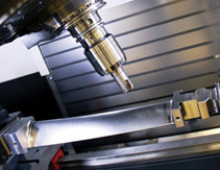
A: High-speed machining (HSM) typically refers to machine spindle speeds above 10,000 rpm, although in aerospace, we often push far beyond that. Faster material removal rates mean shorter cycle times and improved throughput. With the demand for lightweight, complex parts made from aluminum or even tougher materials like titanium or Inconel, HSM enables efficient machining without compromising precision if the process is done correctly.

Q: What role do tool holders play in successful HSM?
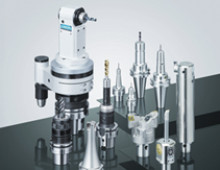
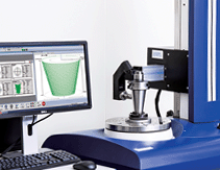
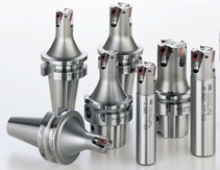
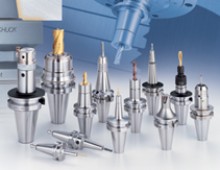
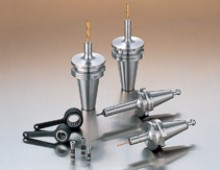
A: Tool holders are the unsung heroes in HSM. They directly affect balance, runout and vibration—all critical factors at high speeds. Precision holders like shrink-fit, hydraulic and high-performance collet chucks are ideal because they minimize unbalance due to their symmetrical shape and mass being concentrated near centerline. For heavier milling applications, BIG DAISHOWA’s MEGA Double Power Chuck is specifically engineered for high-speed use, with a symmetrical, mirror-finished ground body and notch-less nut that optimize concentricity and minimize unbalance. Poor balance at high speeds not only affects surface finish and tool life but also can damage your machine spindle.
Q: Is spindle taper design something shops should worry about when ramping up speeds?
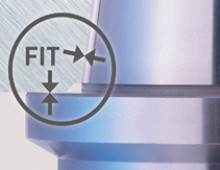
A: Absolutely. The interface between the tool holder and spindle becomes increasingly important as speeds rise. HSK tapers were developed to address high-speed challenges, like centrifugal expansion that causes Z-axis “sinking” in conventional steep taper spindles. HSK’s dual-contact design (flange and taper) eliminates this issue and enhances rigidity. If you’re not ready for a full switch to HSK, BIG-PLUS holders offer similar dual-contact benefits for steep taper machines like CAT or BT—assuming your spindle is BIG-PLUS-compatible, which many are by default.

Q: Can boring tools really keep up with HSM requirements?
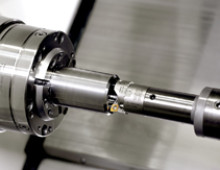
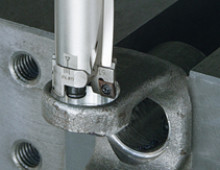
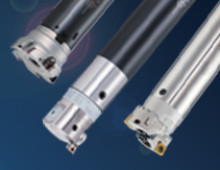
A: They can, but it’s tricky. Traditional single-point boring heads are inherently unbalanced, which can cause issues like oval-shaped bores at higher speeds. For applications where bore tolerance and roundness are critical—common in aerospace—we recommend balanceable boring heads, like our auto-balancing EWB series. These heads use internal counterweights that automatically adjust as you change boring diameters, ensuring consistent balance and performance throughout the speed range.
Q: What if my machine’s max spindle speed isn’t enough. What are the options?
A: Spindle speeders are an effective solution. These devices mechanically or pneumatically multiply your existing spindle speed, making them ideal for small-tool work or micro-machining on standard machines. For example, BIG DAISHOWA offers air-driven spindles that can reach up to 80,000 rpm. They allow shops to expand capabilities without investing in new high-speed machines, a valuable option for niche aerospace components that require extreme precision.
High-speed machining isn’t just about going faster—it’s about smarter integration of tool holders, machine capabilities and cutting strategies. Aerospace manufacturers who take a holistic approach that considers tooling stand to gain the most in productivity, accuracy and equipment longevity.
Categories
Did you find this interesting or helpful? Let us know what you think by adding your comments or questions below.

Add new comment