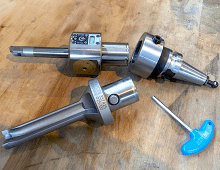
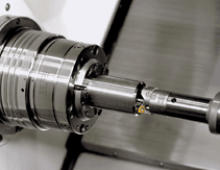
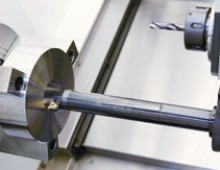
ID boring is a common and time-consuming operation on CNC lathes. Common issues have led to the development of world-class boring tools—traditionally used on milling machines—that have proven to be just as effective on a CNC lathe.
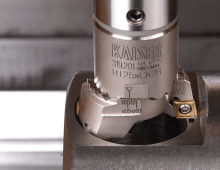
We’ve seen and heard it all when it comes to boring holes. That said, there are always a few questions that pop up over and over. From optimizing modular boring assemblies to deciding between twin boring or high-feed milling, here’s some of our best boring advice.
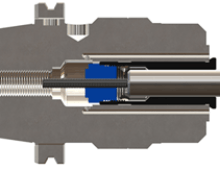
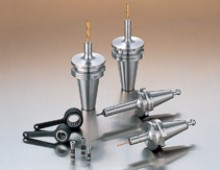
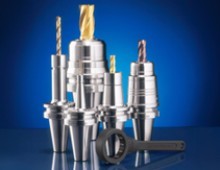
When choosing a tool holder, you want consistent results and long service life. Check out these considerations for rigid, consistent and durable tool holders.
The SPERONI ESSENTIA features a compact bench-top design, works with any brand of router tools and handle complex tool profiles in stone cutting with ease.
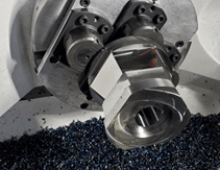
Milling is a core operation in all kinds of manufacturing environments. Here are five different types of milling holders, each with their own strengths and weaknesses. We’re here to help you choose with a breakdown and tips for using each.
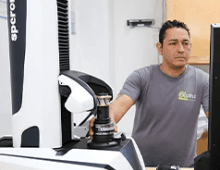
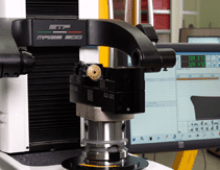
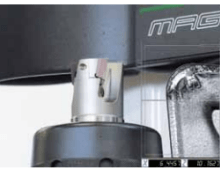
Tool presetters are used to measure offsets offline to keep machine tools running. They quickly pay for themselves by reducing downtime on machine spindles.
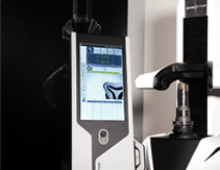
Presetters have evolved. Powerful PC-based, touchscreen controls can connect to other important components and systems across an entire metalworking business. This connectivity allows for the fast, accurate exchange of data.
When it comes to securely and accurately situating material on a machine table, there’s often more than one way to get the job done. With that in mind, consider these fundamental factors before purchasing new workholding.
Machining vibration disrupts efficiency, reduces tool life and damages part finishes. Solving it isn’t easy as causes are varied and interconnected. Discover strategies to tackle vibration for better results.
Discover how the right tool holder solved serious cutting challenges from reducing runout and streamlining operations to enabling efficiency and boosting part quality.