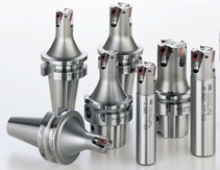
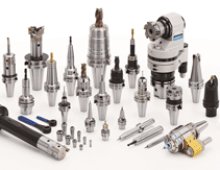
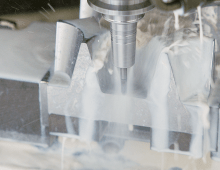
Unlock better machining results with the right tool holders. Learn how design, selection and maintenance impact accuracy, tool life and overall performance.
From a safety standpoint, limiting surface contacts and close interactions are two of the most important steps that can be taken to help prevent the spread of illness. It got us thinking about how our tooling and systems can help maintain a safer environment.
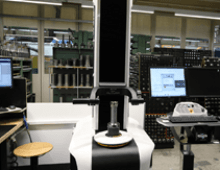
John Saunders, a machine owner known for running the popular CNC machining YouTube channel, stopped by BIG DAISHOWA to discuss presetters with our product manager.
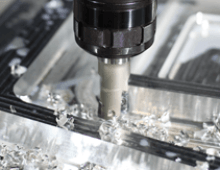
Machining at higher speeds can save time and money, however, increasing the speed also means increasing the inherent risk in the situation. To maximize speed potential, a holistic approach that considers tool, holder, machine and operator is essential.
Learn how to evaluate precision tooling quality with expert tips on AT tolerance, tool components, and manufacturing processes to improve accuracy, performance and cost efficiency in machining.
Machine shops of all shapes and sizes are facing more pressure than ever. While its primary purpose has traditionally been tool setup, tool presetters serve as both important tools and information hubs on the floor as technology advances.
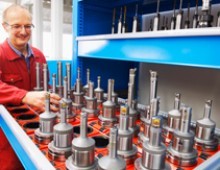
Shops are leaving more than 30 percent of potential cutting tool life on the table by using poor-quality tool holders. With carbide costs rising, few shops can afford the waste. Learn how better tool holding improves tool life and reduces costs.
For many shops setup may be the silent time killer. Shaving just 15 minutes off each setup can add up to tens of thousands of dollars in savings. But where to start?