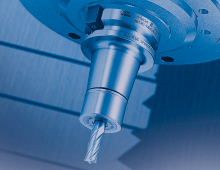
When choosing a tool holder, you want consistent results and long service life. Check out these considerations for rigid, consistent and durable tool holders.
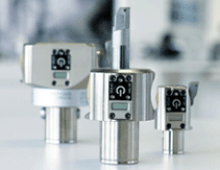
Over the last couple of decades, digitization has increasingly crept into our lives. In the metalworking world it’s undeniable. Digital boring heads have emerged as indispensable time-saving and quality-ensuring tools in machine shops.
Automated solutions are becoming more and more prominent in the machining industry. BIG DAISHOWA discusses the market’s current state, its latest developments and what it might look like in the future.
BIG KAISER is BIG in supporting education. Nowadays, you hear so much in the manufacturing community that there are fewer students able to work in manufacturing as a result of lacking in skills.
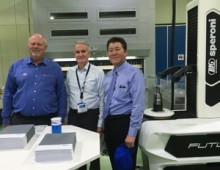
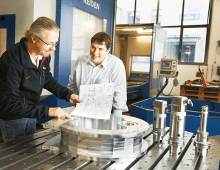
NTMA members visited BIG Daishowa Seiki in Japan during the association’s 2016 Tech Tour last month. The annual Tech Tour is a special opportunity for NTMA members to learn, network and tour manufacturing facilities outside the U.S.
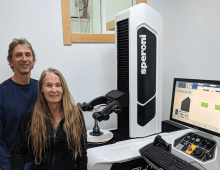
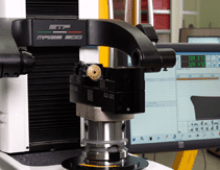
After researching presetters for eight years—including four trips to IMTS—CEO Ronda Peterson knew it was the time to invest in the next level of efficiency for her shop.
When it comes to boring, there are several factors that can lead to poor performance. Whether it’s long cycle times, short tool life or poor bore quality, any or all these factors may need to be addressed in order to increase productivity. Although different, these issues are often closely linked in a given application.
Chattering and deflection have always been the bane of machinists’ existence, so much so that the sight of a long and slender tool holder will immediately cause goosebumps. If you understand why a long tool holder behaves the way it does, you’ll know that there are ways to fight back against this bending.
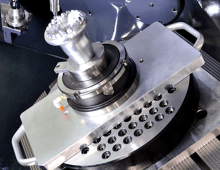
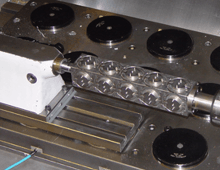
Workholding plays a critical role in the metalworking equipment equation. Chuck condition is becoming even more important in multi-axis machining where additional angles and motion can amplify problems.
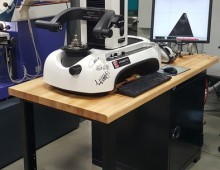
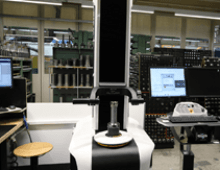
Machine shops of all shapes and sizes are facing more pressure than ever. While its primary purpose has traditionally been tool setup, tool presetters serve as both important tools and information hubs on the floor as technology advances.