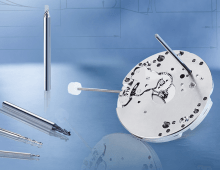
Micromachining, cutting where the volume of chips produced with each tool path is very small, is not a high-speed operation in relation to chip load per tooth. Rather, it involves a high spindle speed due to cutter diameter. The part may be physically larger, but details of the part require ultra-small profiles achieved only by micromachining. In other words, micromachining is not limited in scope to only miniature parts.
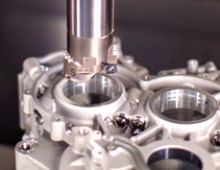
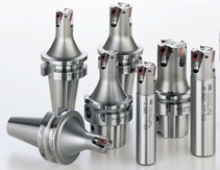
Whether you're performing rough boring operations or precision finishing work, there are a lot of considerations that go into the job. Starting with the right boring head is the first order of business, and there are several considerations to make an informed decision.
Shops are leaving more than 30 percent of potential cutting tool life on the table by using poor-quality tool holders. With carbide costs rising, few shops can afford the waste. Learn how better tool holding improves tool life and reduces costs.
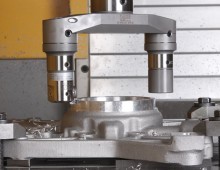
There are many advantages to turning (pun intended) to an underutilized operation that virtually every machining center is capable of: OD turning — otherwise known as “outer diameter turning”, “pin turning”, or “boss milling”.
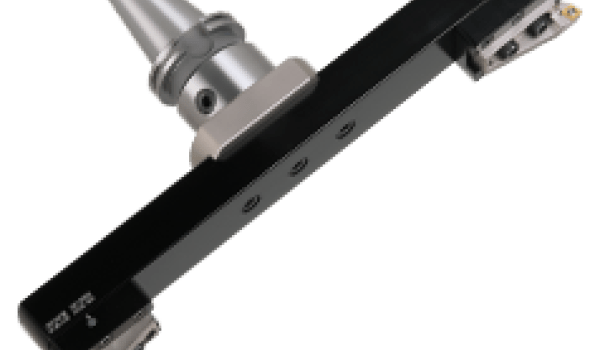
The lightweight Series 318 Large Diameter Boring System is designed for heavy roughing of bores for diameters up to 24.4"—and a special adapter can extend the system even further.
BIG KAISER expands its product line, bringing the highest quality, most precise, most reliable and most accurate tooling and accessory products to market.
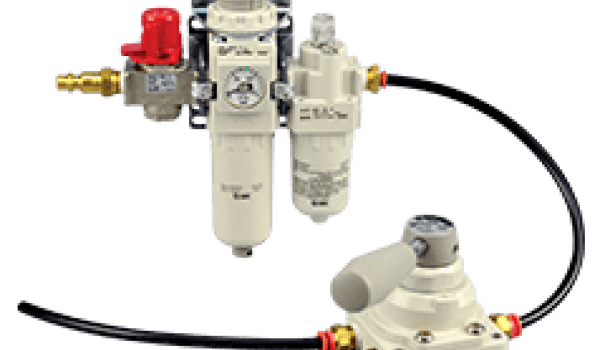
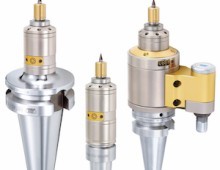
BIG DAISHOWA is introducing the RBX12 Air Power Spindle, a high-speed air-driven spindle that achieves an impressive variable rotational speed of 100,000-120,000 RPM.
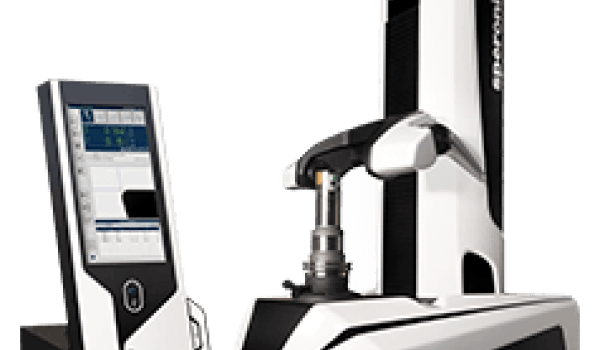
In-machine laser technology is touted by machine tool builders and distributors as the way of the future and an indispensable tool for machinists. Do you really need an offline presetter if you have in-machine lasers?