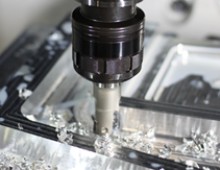
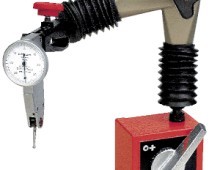
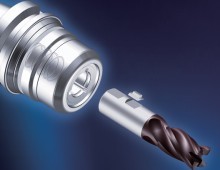
Understanding and controlling runout is crucial for any machine shop looking to maintain competitive advantages in today's precision-driven manufacturing environment.
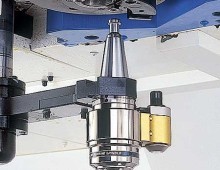
When that inevitable job arises that requires higher RPM output, operators are left with the choice of replacing the machine altogether to gain higher productivity, or looking into an attachment, like a spindle speeder, to close the RPM gap.
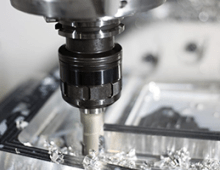
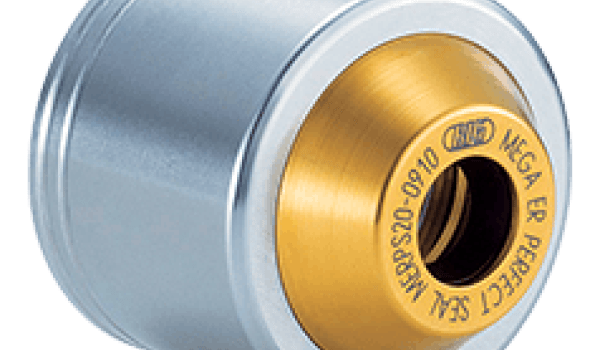
Unlock better machining results with the right tool holders. Learn how design, selection and maintenance impact accuracy, tool life and overall performance.
Everyone wants to get the most out of their tool holders. While some may take a set it and forget it approach with holders, it’s not recommended, as they have a direct impact on both parts and machinery. Here are some tips to ensure your holders deliver.
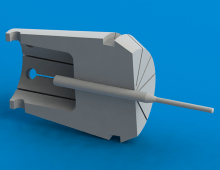
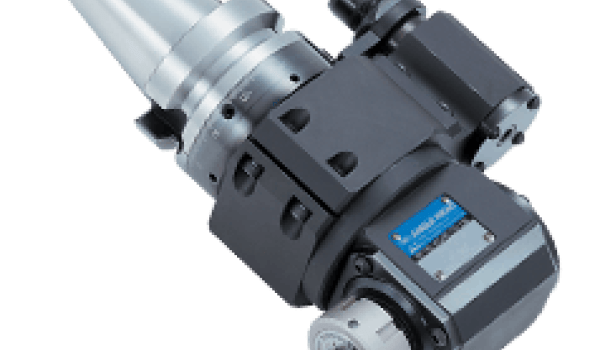
Compact type Angle Heads for drilling and tapping are approximately 25% lighter when compared with standard units. The case and head are substantially reduced.
A lot of conflicting information has circulated about balancing tools over the years. Let's clear some things up and make life a little easier for you.
Pullout is a major issue facing manufacturers using milling chucks, especially when machining heat-resistant super alloys (HRSA) like titanium or inconel