We often emphasize superior tooling, improved tool performance, and our exceptionally high standards. Find out what people are saying about BIG DAISHOWA!
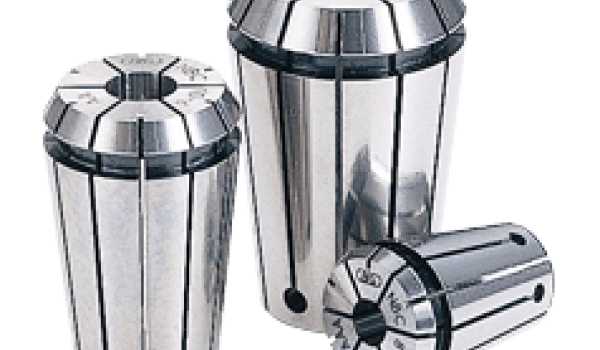
NEW BABY COLLET is a series of collets that are world-renowned for their unmatched accuracy and precision. They are the world's first etched with a AA grade that guarantees their excellent runout accuracy.
Jet engine manufacturers have found that even the most infinitesimal imperfection can produce catastrophic results; absolute precision is the name of the game in the aerospace industry.
As part of a continued effort to fully serve users throughout the long lifetimes of their BIG Kaiser products, we’ve made it faster, easier and more cost effective to have some popular products repaired and properly maintained.
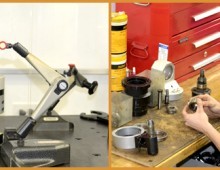
SPERONI Tool Presetters measure the cutting edges of your tools to assure they precisely match job specifications and are ready to be used in the machine.
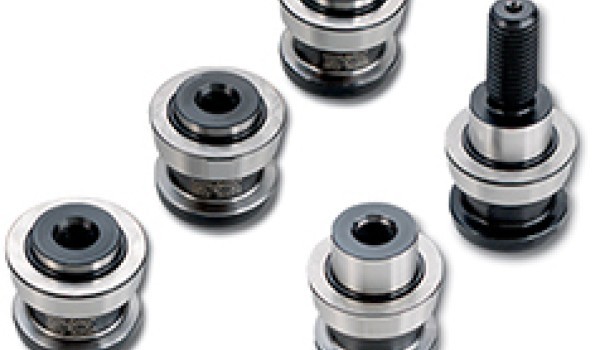
UNILOCK clamping knobs can be attached to fixtures or directly to workpieces. Can be mounted in a blind hole from the bottom or pulled up from the top.
By accessing this website, you are agreeing to be bound by these website Terms and Conditions of Use, all applicable laws, and regulations, and agree that you are responsible for compliance with any applicable local laws.
There’s more than one way to finish a hole. The most effective option will depend on the number of parts, acceptable cycle time and tolerance callouts.