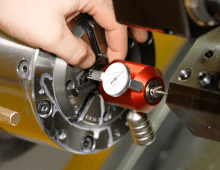
Just as your car’s health depends on regular oil changes and tune-ups, your shop tools and equipment require preventive maintenance to stay in good working order and to maximize life cycle.
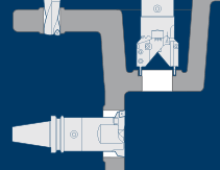
Enhance your machining skills by understanding when to use balanced cutting for precise straight holes and stepped cutting for efficient heavy cuts—ensuring smarter tool choices and project success.
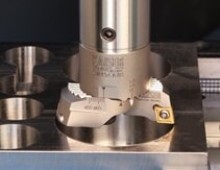
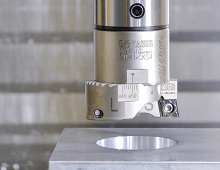
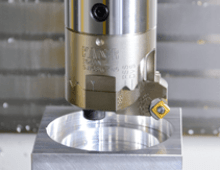
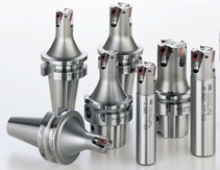
The precision and ruggedness of KAISER modular boring tools deliver measurable performance advantages by reducing costs and cycle times, all while allowing the flexibility and versatility to upgrade boring tools to meet today’s demanding requirements.
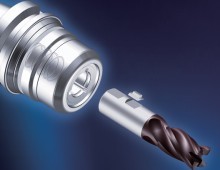
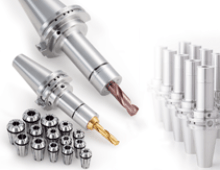
Pullout is a major issue facing manufacturers using milling chucks, especially when machining heat-resistant super alloys (HRSA) like titanium or inconel
Anyone who’s made holes understands the difficulties that can arise: vibration, wander and even breakage. When it comes to production-level volume, these issues become even more limiting. Many turn to helical interpolation with a mill as a reliable way to rough out holes. We’re here to tell you there’s a faster, easier option.
For many shops setup may be the silent time killer. Shaving just 15 minutes off each setup can add up to tens of thousands of dollars in savings. But where to start?
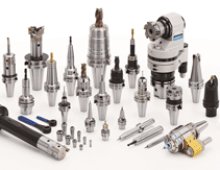
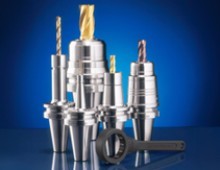
Shops are leaving more than 30 percent of potential cutting tool life on the table by using poor-quality tool holders. With carbide costs rising, few shops can afford the waste. Learn how better tool holding improves tool life and reduces costs.
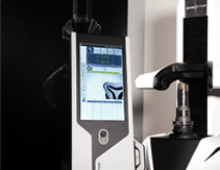
Presetters have evolved. Powerful PC-based, touchscreen controls can connect to other important components and systems across an entire metalworking business. This connectivity allows for the fast, accurate exchange of data.
As a raw material, tungsten carbide is a limited natural resource and a widely popular tool material due to its hardness and heat resistance. We can both save money by reducing the consumption of carbide and help our environment by fully utilizing every tool before recycling the rest.