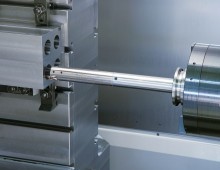
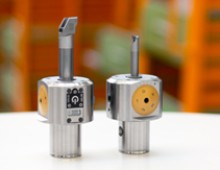
BIG DAISHOWA has released two smaller sizes of the EWN Smart Damper precision boring heads, which eliminate vibration in deep-hole finish boring with a patented damping system.
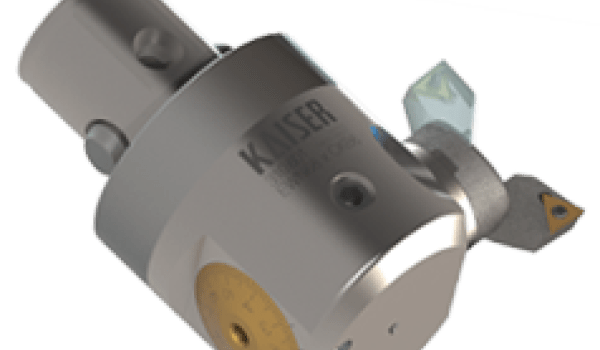
Whether you're performing rough boring operations or precision finishing work, there are a lot of considerations that go into the job. Starting with the right boring head is the first order of business, and there are several considerations to make an informed decision.
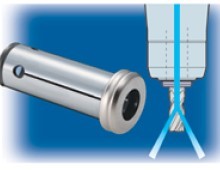
BIG DAISHOWA introduces the Perfect Jet Collet, designed to optimize coolant supply in high-speed operations, resulting in better coolant delivery and the option to seal the collet for coolant-through tools.
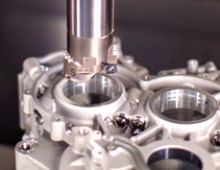
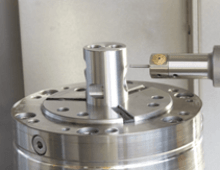
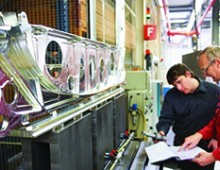
When it comes to aerospace components, the slightest imperfection could be catastrophic. Our experts answer five questions about boring precision holes on aerospace parts.
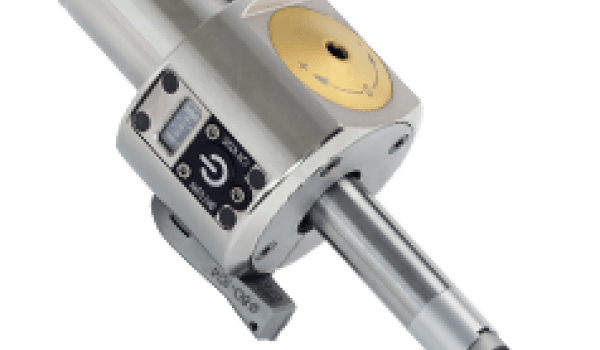
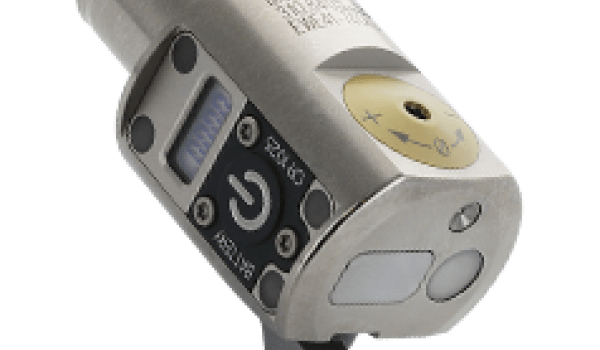
With sizes ranging from 41 to 203 mm, the EWE digital boring head for fine boring features a large on-head display and connects to the BIG KAISER app making extremely precise bores easier than ever.
Aerospace is unique among industries in its thirst for component accuracy with ‘blemish-free’ precision. Unlike any other industry, anything that goes into the air has to be on spec, as the smallest imperfection in machining can adversely affect flight safety.
Series 319 SW aluminum heads provide lightweight solutions without sacrificing performance. Combined with the CKN modular connection, they are ideal for long-reach applications where steel tools may exceed ATC weight/moment limits.