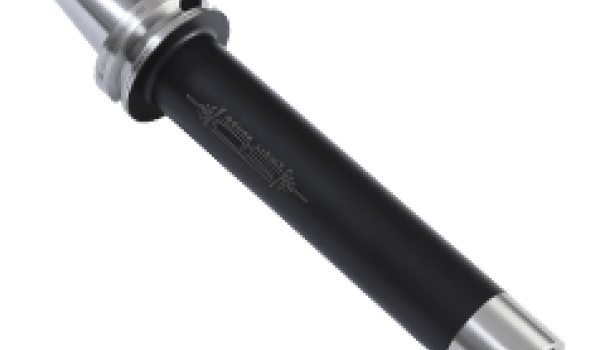
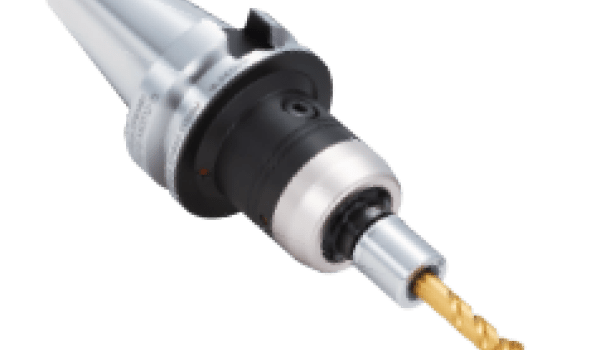
BIG DAISHOWA is introducing the RBX12 Air Power Spindle, a high-speed air-driven spindle that achieves an impressive variable rotational speed of 100,000-120,000 RPM.
BIG DAISHOWA continues to deliver world-class service and support by eliminating the need to ship tools abroad for repair, minimizing customer downtime.
BIG DAISHOWA introduces the EWN & EWD Smart Damper - precision boring heads with a patented damping system to eliminate vibration in deep-hole finish boring.
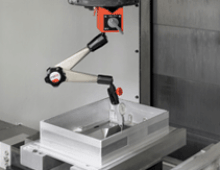
BIG DAISHOWA, a leader in premium high-precision tooling systems and solutions, has announced the release of the Dyna Line Portable, a budget-friendly, in-machine measuring device suitable for a wide variety of shop environments.
BIG DAISHOWA, a leader in premium high-precision tooling systems and solutions for the metalworking industries, announced today its new Level Master Wireless, a high precision device for the leveling of machine tool tables.
As cutting tool manufacturers increase the recommended operating conditions for their products, users achieve the desired result: shorter cycle times on existing machine tools.
Many machine shops lack objective criteria for making toolholder purchasing decisions & most are made by price alone. However they can improve runout significantly by using the right toolholders.
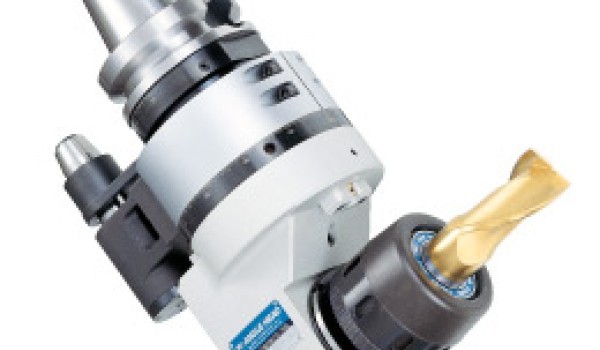
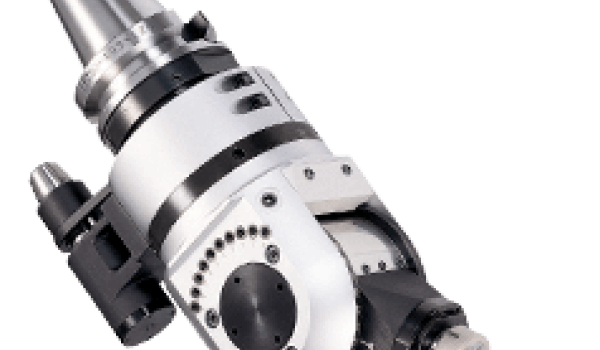
Keeping pace with modern manufacturing demands often means bridging the gap between design and production. Creative and resourceful applications of tooling and accessories, such as angle heads, can get complex parts out the door.
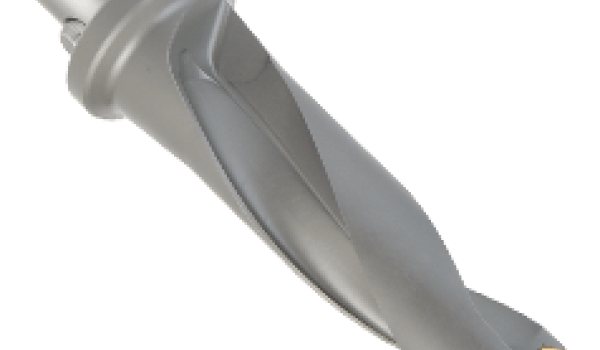
Deep hole boring comes with challenges created by the inevitable deflection that occurs when trying to finish a hole of a substantial depth. Various factors determine the best approach to solving the issue, and it’s important to consider all factors before choosing a solution for your boring needs.
When it comes to aerospace components, the slightest imperfection could be catastrophic. Our experts answer five questions about boring precision holes on aerospace parts.
Runout is one of the sneakier issues machinists and tool managers must deal with. It’s almost impossible to recognize in-process and difficult to diagnose after the fact. We identify potential sources.