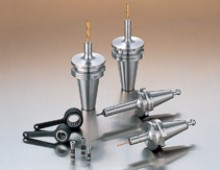
Discover how the right tool holder solved serious cutting challenges from reducing runout and streamlining operations to enabling efficiency and boosting part quality.
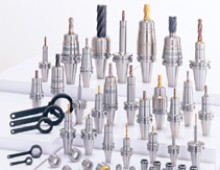
Learn how to evaluate precision tooling quality with expert tips on AT tolerance, tool components, and manufacturing processes to improve accuracy, performance and cost efficiency in machining.
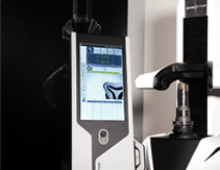
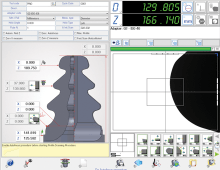
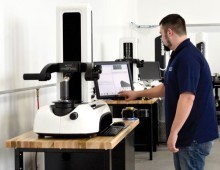
Presetters have evolved. Powerful PC-based, touchscreen controls can connect to other important components and systems across an entire metalworking business. This connectivity allows for the fast, accurate exchange of data.
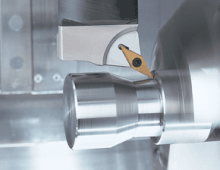
As lathes and turning machines pivot toward quick-change tooling models from traditional stick tools, tool presetters present benefits of keeping chips flying while reducing human error and increasing precision.
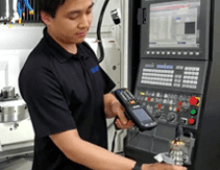
Tool management system (TMS) software & a tool presetter can accomplish both cutting cost and increases in productivity for a shop’s day-to-day activities.
Consistent accuracy is the name of the game when it comes to tool presetters. The best way to ensure you can keep faith in your presetter, just like any other piece of machinery, is to perform regular maintenance.
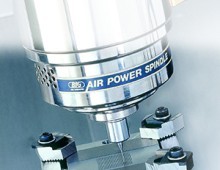
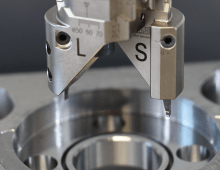
Because of the popularity of BIG-PLUS, many tooling companies, without a proper license, offer what they call dual-contact tooling. But not all dual-contact is the same. Let’s tackle a few of the most common misconceptions.
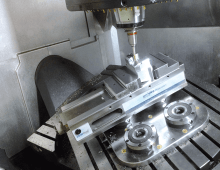
Even though it has been around forever, does the vise have limitations for shops in a competitive marketplace? Do you need to reinvent the wheel to reduce some of its limitations? To evaluate the vise’s viability in today’s manufacturing operations, we need to uncover the most efficient way to apply it.
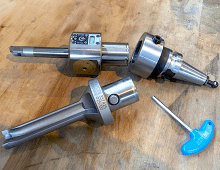
Milling is a core operation in all kinds of manufacturing environments. Here are five different types of milling holders, each with their own strengths and weaknesses. We’re here to help you choose with a breakdown and tips for using each.