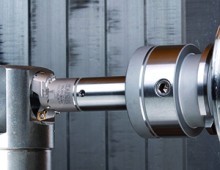
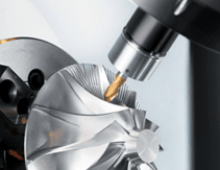
The further the tool does its work from the spindle, the more room for error. Deep pockets and cavities usually signify that a part is nearing completion, making the smallest of errors almost impossible to recover from and very costly.
Because the BIG-PLUS spindle system gets so much of our customers’ attention and interest, people often forget that BIG DAISHOWA offers an extensive line-up of other popular dual contact solutions, most notably HSK & BIG CAPTO.
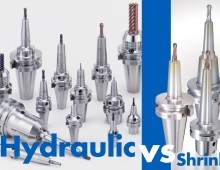
Hydraulic chucks are an excellent choice for high accuracy applications due to their ability to maintain runout accuracy over an extended period of time.
Everyone wants to get the most out of their tool holders. While some may take a set it and forget it approach with holders, it’s not recommended, as they have a direct impact on both parts and machinery. Here are some tips to ensure your holders deliver.
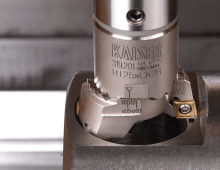
With a little knowhow and the right tools, see how you can significantly reduce cycle time by rough boring instead of performing a helical interpolation with a mill.
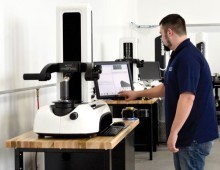
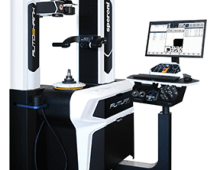
As lathes and turning machines pivot toward quick-change tooling models from traditional stick tools, tool presetters present benefits of keeping chips flying while reducing human error and increasing precision.
Tool management system (TMS) software & a tool presetter can accomplish both cutting cost and increases in productivity for a shop’s day-to-day activities.
We’ve seen and heard it all when it comes to boring holes. That said, there are always a few questions that pop up over and over. From optimizing modular boring assemblies to deciding between twin boring or high-feed milling, here’s some of our best boring advice.
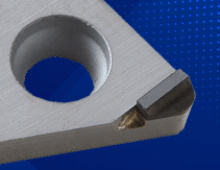
While we specialize in holders, we do offer some specialized cutters with these materials and often get questions about PCD and CBN inserts. Here we tackle some of the most frequently asked questions.
This simple switch makes life much easier because it introduces more standardization to the shop floor, reduces the burden on operators, increases setup speed and dramatically reduces the chances of human error. All of which saves time and realizes return on investment – and each additional machine helps increase the rate of return.
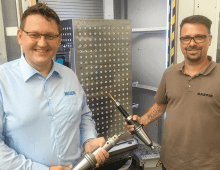
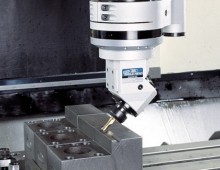
Keeping pace with modern manufacturing demands often means bridging the gap between design and production. Creative and resourceful applications of tooling and accessories, such as angle heads, can get complex parts out the door.
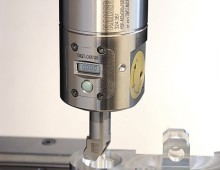
Maintenance is really important and kind of a pain. When it comes to all-important spindle maintenance, you can avoid the pain by using simple tools and devices.