Valuable information on a new standard for balancing tools and tool systems that apply to today’s relevant variables for safe and productive machining.
The medical industry pushes the limits of precision for machining and tools. The trend toward less-invasive surgery using smaller parts translates to a need to better control the precision and tolerances of micromachining processes.
BIG DAISHOWA’s suburban Chicago headquarters is home to our engineering, sales, service and marketing teams; training center; warehouse and repair center.
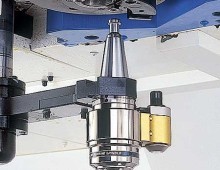
When that inevitable job arises that requires higher RPM output, operators are left with the choice of replacing the machine altogether to gain higher productivity, or looking into an attachment, like a spindle speeder, to close the RPM gap.
In this business, doing it right the first time is like money in the bank: less scrap, less wasted time, more on-time deliveries, the list goes on and on.
Based on a cylindrical connection with radial locking screw, the world-famous modular precision tool system BIG KAISER has continuously been improved over the years, and has adapted to customer’s needs and the increases in machine tool performance.
While the latest machine tool technology may go a long way towards eliminating vibration and chatter, adding a new one may not be realistic. Luckily, there are less disruptive options that can make positive impacts on vibration without breaking the bank.
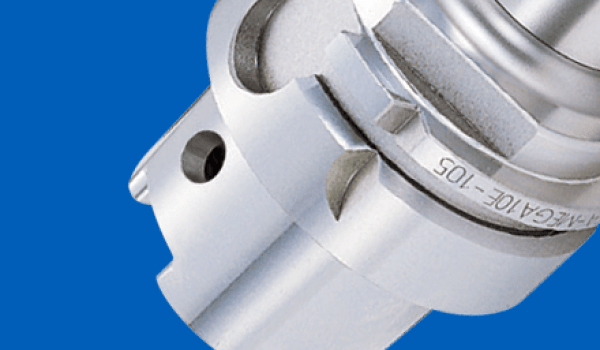
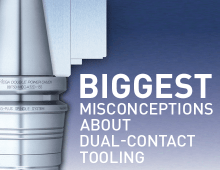
Because of the popularity of BIG-PLUS, many tooling companies, without a proper license, offer what they call dual-contact tooling. But not all dual-contact is the same. Let’s tackle a few of the most common misconceptions.