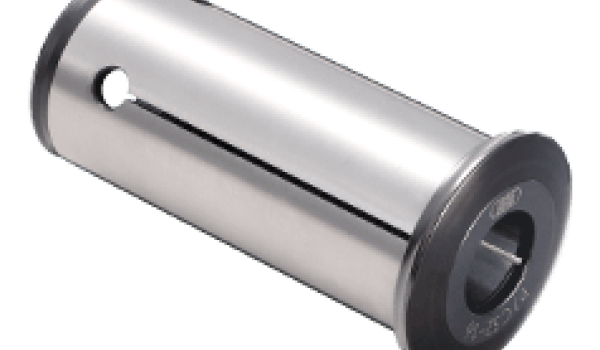
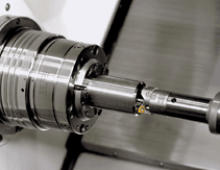
BIG DAISHOWA offers straight collets for clamping smaller diameter cylindrical tool shanks, providing coolant through the tool, or coolant around the periphery.
Whether it’s your first presetter or your tenth, each is an important purchase decision. From choosing the right equipment to getting the team up to speed, we pledge to be your partner every step of the way.
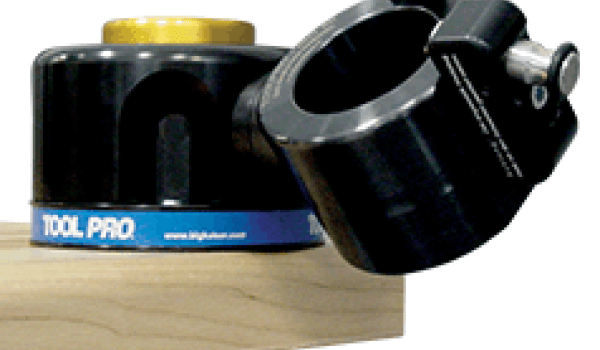
This modular UNILOCK Stabilizer System provides lateral support for tall parts during machining, welding or assembly processes and allows for the transfer of loads down to the table or base.
There’s more than one way to make holes, but some approaches are better than others. Working with customers from across every industry, our team gets to see what works and what doesn’t. These are a few of the interesting questions—and unexpected answers.
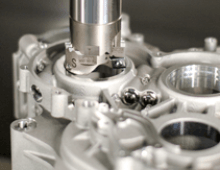
ID boring is a common and time-consuming operation on CNC lathes. Common issues have led to the development of world-class boring tools—traditionally used on milling machines—that have proven to be just as effective on a CNC lathe.
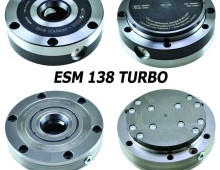
We hear all the time how so many of our customers rely on the Unilock 138 series round workholding chuck for its mid-size diameter and adaptability to custom fixture designs.
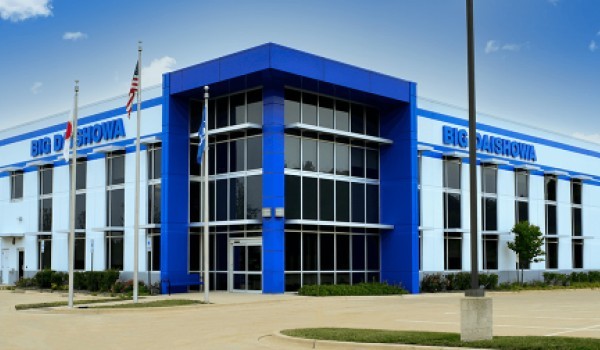
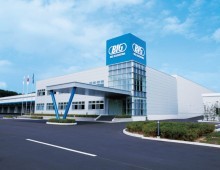
What’s a good sign that a company is doing well and that they are constantly seeking better ways to serve their customers? The need to construct new facilities, of course.
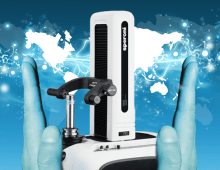
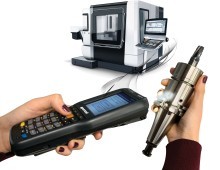
The SPERONI SPI is the newest of BIG DAISHOWA's Industry 4.0 upgrades to its offering of tool presetting solutions. SPI dramatically reduces the time and steps needed to transfer precise and accurate tool measurements to a machine tool.
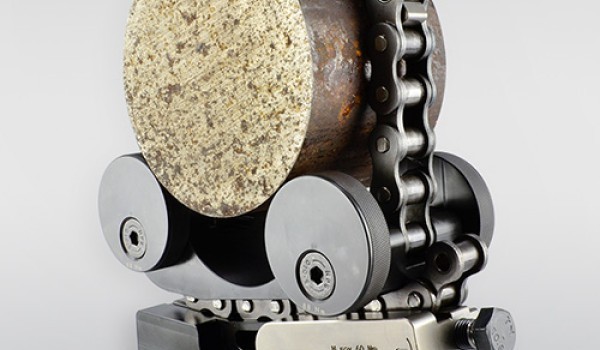
Chain clamping systems offer flexibility to hold workpieces of various shapes and sizes. The chain clamping system uses a series of interconnected chains with adjustable links and tensioning mechanisms to secure the workpiece firmly in place during machining.
A group of Rolling Meadows high school students enjoyed a front-row seat at the Indianapolis Motor Speedway during practice for the upcoming 101st Indianapolis 500.
By accessing this website, you are agreeing to be bound by these website Terms and Conditions of Use, all applicable laws, and regulations, and agree that you are responsible for compliance with any applicable local laws.