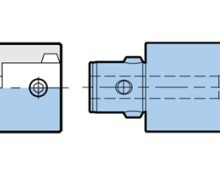
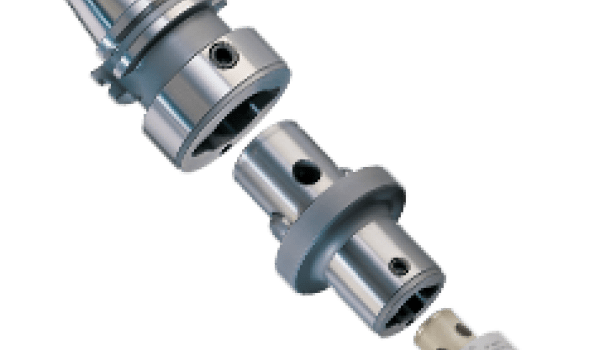
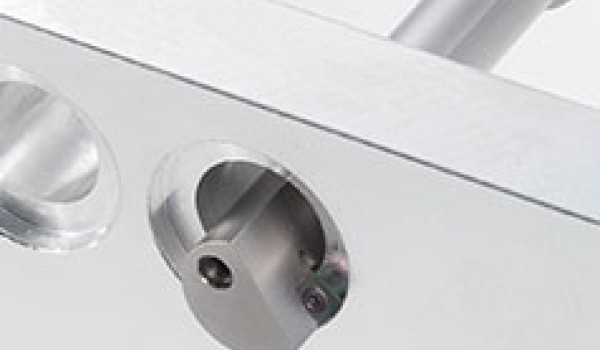
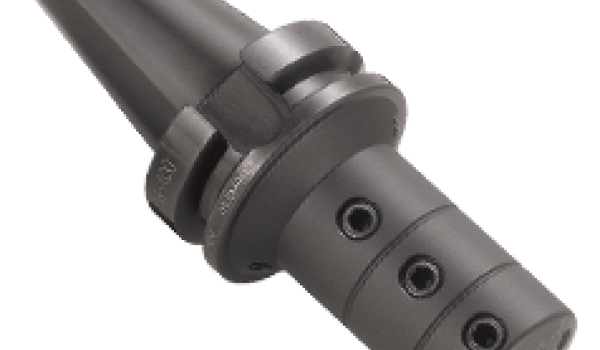
Our precision-crafted modular components feature a cylindrical connection with a radial locking screw, ensuring secure and reliable tool assembly for any application.
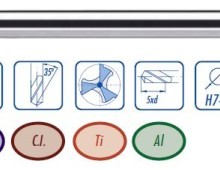
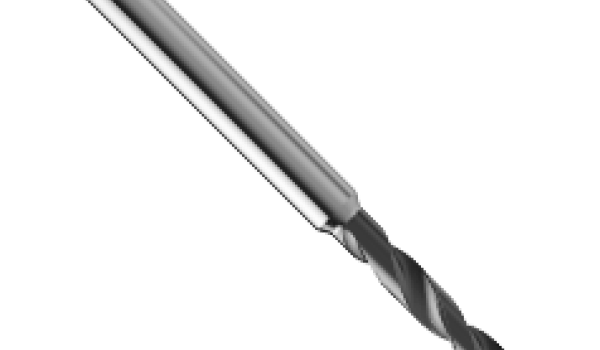
High-Performance Phoenix TC2 Drill is the newest high-performance drill geometry and is our first choice for high volume, production drilling applications.
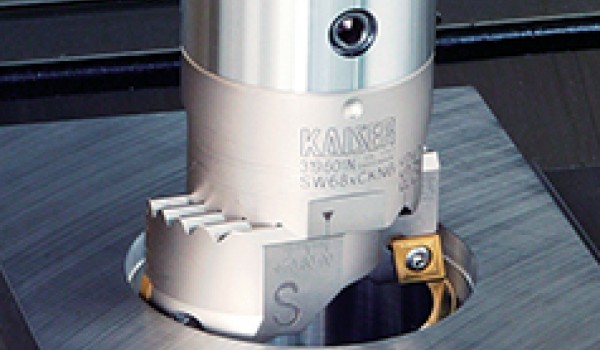
Rough boring heads and twin boring tools that are designed for ultimate performance and versatility. Small, medium and large diameter systems are available.
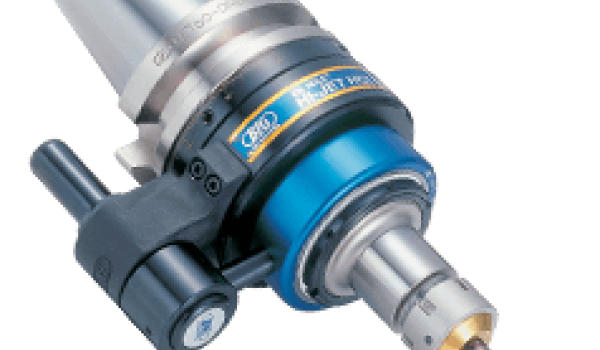
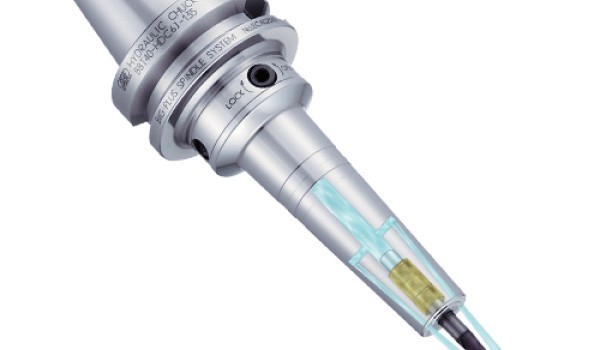
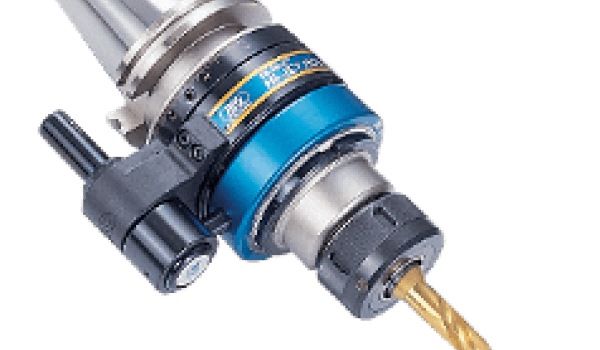
Hi-Jet Holder TG Collet Type tool holder is capable of supplying coolant through or around the tool. Reduced heat generation greatly extends tool life.
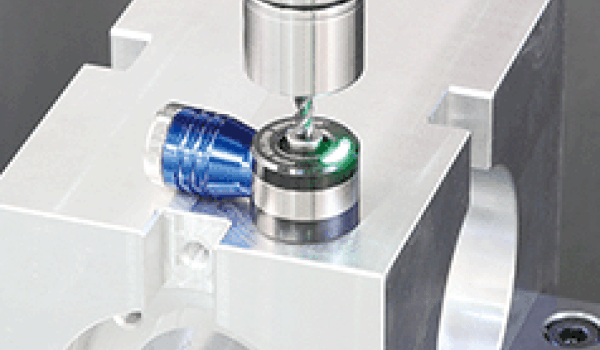
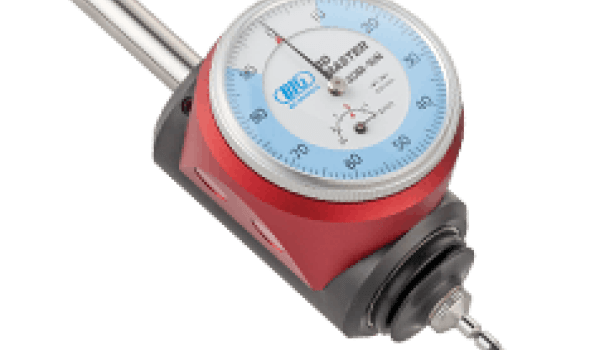
Base Master Series is a precision touch sensor to determine workpiece offsets and tool length. They can be mounted on the workpiece surface or machine table.