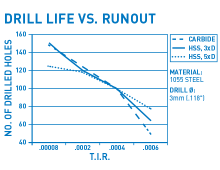
Shops are leaving more than 30 percent of potential cutting tool life on the table by using poor-quality tool holders. With carbide costs rising, few shops can afford the waste. Learn how better tool holding improves tool life and reduces costs.
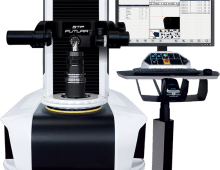
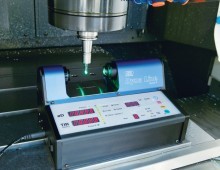
John Saunders, a machine owner known for running the popular CNC machining YouTube channel, stopped by BIG DAISHOWA to discuss presetters with our product manager.
In this business, doing it right the first time is like money in the bank: less scrap, less wasted time, more on-time deliveries, the list goes on and on.
As a raw material, tungsten carbide is a limited natural resource and a widely popular tool material due to its hardness and heat resistance. We can both save money by reducing the consumption of carbide and help our environment by fully utilizing every tool before recycling the rest.
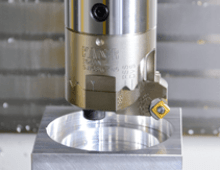
Anyone who’s made holes understands the difficulties that can arise: vibration, wander and even breakage. When it comes to production-level volume, these issues become even more limiting. Many turn to helical interpolation with a mill as a reliable way to rough out holes. We’re here to tell you there’s a faster, easier option.
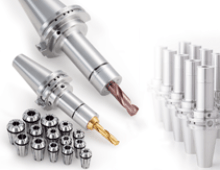
After years of close observation and collaboration with manufacturing companies of all sizes, BIG DAISHOWA Seiki engineers have learned how the choice of tool holders affects production costs on the shop floor.
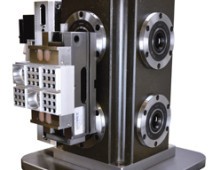
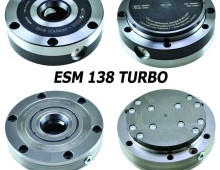
We hear all the time how so many of our customers rely on the Unilock 138 series round workholding chuck for its mid-size diameter and adaptability to custom fixture designs.
What’s a good sign that a company is doing well and that they are constantly seeking better ways to serve their customers? The need to construct new facilities, of course.