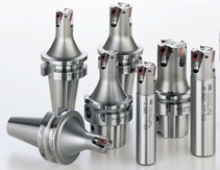
Machining at higher speeds can save time and money, however, increasing the speed also means increasing the inherent risk in the situation. To maximize speed potential, a holistic approach that considers tool, holder, machine and operator is essential.
Learn how to evaluate precision tooling quality with expert tips on AT tolerance, tool components, and manufacturing processes to improve accuracy, performance and cost efficiency in machining.
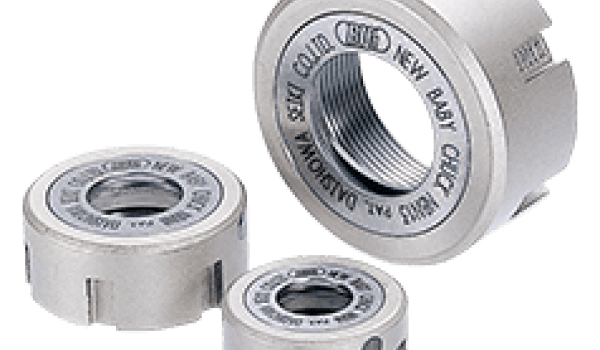
Cleanliness is key to achieving good runout control when assembling tool holders. Small particles or oil in a tool holder can cause large runout of the cutting tool, deceasing tool life and performance.
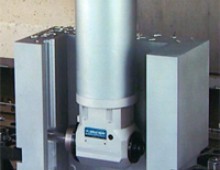
Keeping pace with modern manufacturing demands often means bridging the gap between design and production. Creative and resourceful applications of tooling and accessories, such as angle heads, can get complex parts out the door.
Ansonia Manufacturing, the only machine shop in the town of Sonoma, California, discovered the EWN2-32ExER32 boring head and used it to complete a tricky hardware component job for a “live” glass art sculpture.
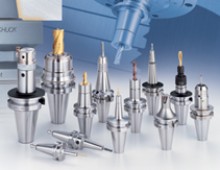
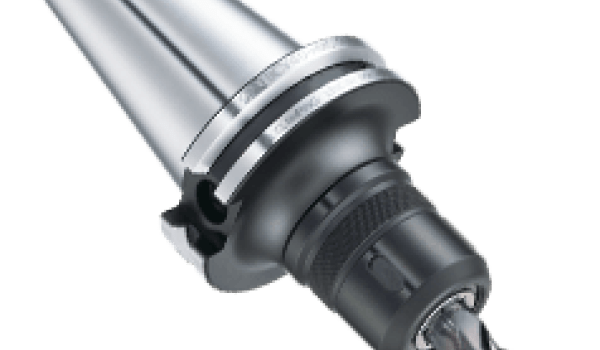
Shrink-fit and hydraulic holders are both useful in low clearance, tight work envelopes found in moldmaking and multi-axis machining applications. When deciding which one to use, their differences will guide your choice. Here are some of the fundamental contrasts to help you decide which holder type is best for your work.