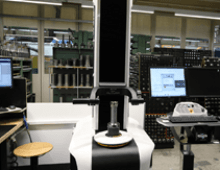
Machine shops of all shapes and sizes are facing more pressure than ever. While its primary purpose has traditionally been tool setup, tool presetters serve as both important tools and information hubs on the floor as technology advances.
For many shops setup may be the silent time killer. Shaving just 15 minutes off each setup can add up to tens of thousands of dollars in savings. But where to start?
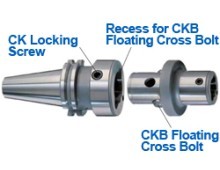
To realize new efficiencies and make things easier for end users, the name of the modular boring system connection was changed to be more in line with global standards.
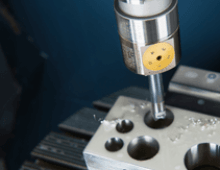
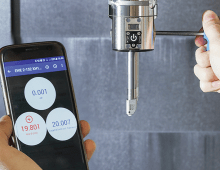
Exciting improvements in automation are already on their way—higher productivity, increased safety, greater throughput and less scrap. Tool digitalization provides opportunities for production improvements, like our EWE digital fine boring tool. It displays the actual diameter of a tool, makes adjustments much simpler and faster, and reduces human error.
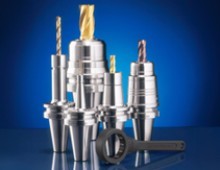
Chattering and deflection have always been the bane of machinists’ existence, so much so that the sight of a long and slender tool holder will immediately cause goosebumps. If you understand why a long tool holder behaves the way it does, you’ll know that there are ways to fight back against this bending.
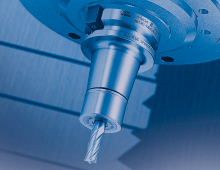
The full radial contact and extreme gripping force of Hi-Power Milling Chucks delivers the stability needed to increase spindle speeds by 20 percent in one application at Team Penske.