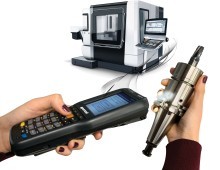
The SPERONI SPI is the newest of BIG DAISHOWA's Industry 4.0 upgrades to its offering of tool presetting solutions. SPI dramatically reduces the time and steps needed to transfer precise and accurate tool measurements to a machine tool.
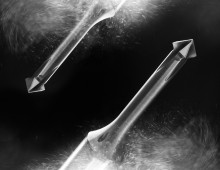
Chamfering the entry and exit of 0.80mm to 6.00mm holes can be a tedious, time-consuming process. The Noventa from SPHINX can transform this process using an innovative geometry that improves cycle time, tool life and surface quality.
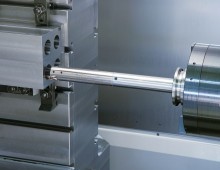
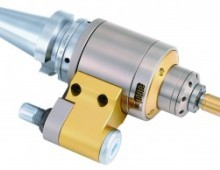
BIG DAISHOWA has released two smaller sizes of the EWN Smart Damper precision boring heads, which eliminate vibration in deep-hole finish boring with a patented damping system.
Our standard operating hours and holiday closures. Please refer to these schedules to ensure timely assistance for your industrial tooling needs and inquiries.
BIG KAISER’s digital precision boring heads, from Swiss partner KAISER were part of a case study alongside Impact CNC in the September issue of Modern Machine Shop.
In the latest edition of their Medical Manufacturing Yearbook, Manufacturing Engineering featured an article by our very own VP of Sales and Engineering, Jack Burley.
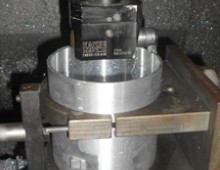
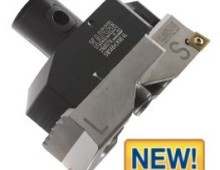
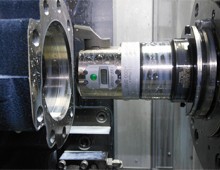
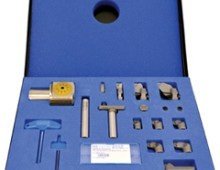
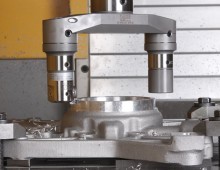
There are many advantages to turning (pun intended) to an underutilized operation that virtually every machining center is capable of: OD turning — otherwise known as “outer diameter turning”, “pin turning”, or “boss milling”.