

Latest Posts

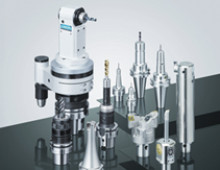
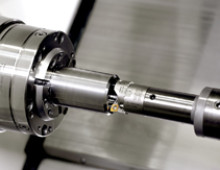

Troubleshooting for Rough Boring
Even the most well-thought-out rough boring process may not achieve the desired result. Under certain conditions, it might be necessary to modify or adapt recommended cutting data or tooling configurations of the application. We’ve provided solutions to common rough boring problems to help get you back on the road to productivity.
Need some help with your fine boring? Check out this troubleshooting guide for fine boring.
| Problem | Possible Cause | Remedy |
|---|---|---|
| Poor Chip Control | Feed rate too low | Increase feed rate |
| Excessive height variation of inserts | Preset tool to max. .0002" variation of both inserts | |
| Width of chip excessive (D.O.C) | Preset tool for stepped cutting method | |
| Excessive stock allowance | Consult cutting data tables | |
| Chatter & Vibration | Excessive speed | Reduce SFM, check cutting data tables |
| Extreme length/diameter ratio | Shorten tool to increase stiffness | |
| Increase boring bar diameter to larger size | ||
| Change boring bar to carbide or heavy metal | ||
| Insert radius too large | Reduce nose radius of insert | |
| Unstable workpiece | Improve fixture and clamping support | |
| Lead angle on insert holders | Change to 90 degree insert holders (type CC) | |
| Inserts Chipping or Breaking | Wrong insert | Change to tougher grade of carbide insert |
| Use larger radius if available | ||
| Severe interruption | Increase speed, decrease feed | |
| Chips packing and re-cutting | Check for boring bar/bore diameter clearance | |
| Improve chip control, increase feed | ||
| Poor Tool Life | Wrong insert | Change to higher wear resistant grade |
| Excessive cutting speed | Reduce speed | |
| Inserts chipping | Check stock allowance and feed rate | |
| Coolant pressure too low | Increase through tool coolant pressure | |
| Adjust coolant ports of head, if available | ||
| Chips Not Evacuating | Boring bar diameter too large | Reduce to smaller head and extended range holder |
| Excessive stock allowance | Re-set tool for stepped cutting | |
| Inadequate space below bore | Elevate workpiece from table more | |
| Poor chip control | See above problem | |
| Insufficient Machine Power | Excessive feed rate | Reduce feed; minimum 25% of insert radius |
| Stock allowance excessive | Reset tool for stepped cutting method | |
| Low machine torque | RPM in area of low spindle torque; increase speed | |
| RPM in area of gear change; adjust RPM | ||
| Change insert to higher rake angle | ||
| Reduce depth of cut | ||
| Excessive Exit Burr | Excessive feed rate | Reduce feed rate |
| CC type insert holders | Use square insert holders with 6-degree lead | |
| Cutting forces too high | Reduce depth of cut | |
| Reduce insert radius |
Categories
Tags:
rough boring
Did you find this interesting or helpful? Let us know what you think by adding your comments or questions below.


Add new comment