

Latest Posts

A Comprehensive Guide to Tool Holders for Modern-Day Machining
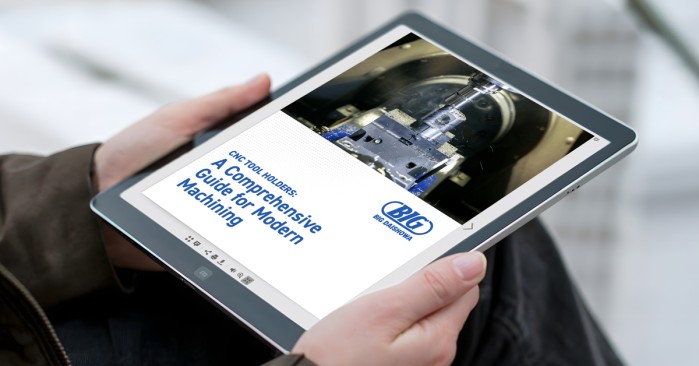
In machining, precision isn’t optional. It’s everything. While machine tools and cutting tools get much of the credit for machining’s triumphs, the unassuming tool holder quietly determines whether your setup succeeds or struggles.
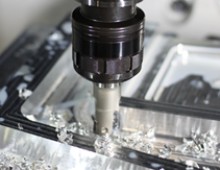
A tool holder connects your cutting tool to the machine spindle, influencing surface finish, accuracy, tool life and overall productivity. If you’ve ever dealt with chatter, poor surface finish, or inconsistent results, there’s a good chance your tool holder setup is part of the problem.
To help machining professionals make confident, informed decisions, we’ve created a downloadable guide to tool holders. It covers everything you need to know from the basics of what tool holders do to advanced considerations like spindle tapers and setup best practices.
What You’ll Learn in CNC Tool Holders: A Comprehensive Guide for Modern Machining
This comprehensive resource is designed to be your go-to reference for machining success. Inside, you’ll find:
What is a Tool Holder?
Understand the purpose of tool holders and how they impact machining performance.
Types of Tool Holders
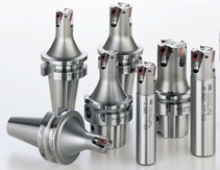
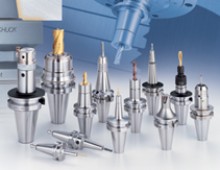
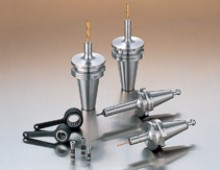
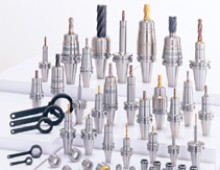
Explore the most common tool holder types—including collet chucks, end mill holders, hydraulic chucks and shrink-fit holders—and when to use each one.
The ABCs of Spindle Tapers
Learn how spindle interfaces like HSK, BT and CAT influence rigidity, accuracy and compatibility with your machine tools.
Choosing the Right Tool Holder
Discover the factors you should weigh before investing, such as spindle type, machining application, balance and runout.
Why the Right Tool Holder Makes All the Difference
See how the right choice can reduce vibration, extend tool life and improve efficiency.
Bonus: Tool Holder Setup & Maintenance Tips
Get practical advice on proper installation, cleaning and care to maximize tool holder longevity.
Categories
Did you find this interesting or helpful? Let us know what you think by adding your comments or questions below.

Add new comment