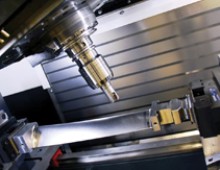
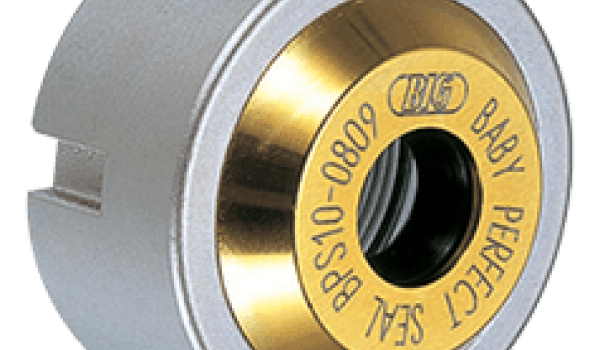
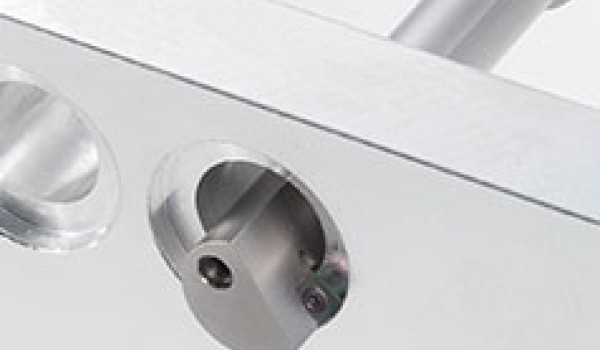
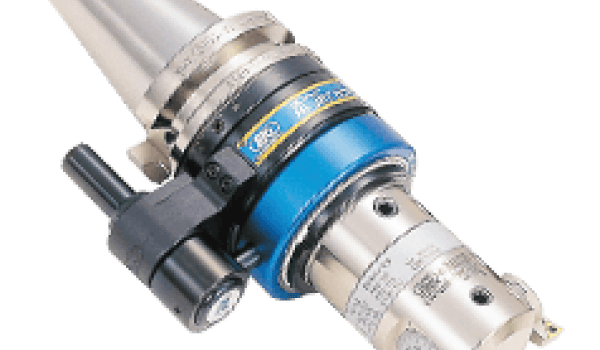
When used together with a machine that delivers on speed and accuracy, ChipFan and T-Slot Clean help machines reach maximum levels of productivity—even during downtime.
As cutting tool manufacturers increase the recommended operating conditions for their products, users achieve the desired result: shorter cycle times on existing machine tools.
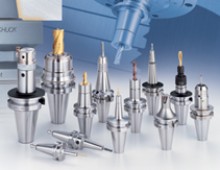
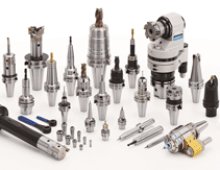
The chances of a tool slipping or pulling out in its holder during work is increasing. Here are some insights to help you select the proper holder for your work.
Moldmakers hoping to avoid problems such as chatter, poor tool life and molds that fail quality control muster need to consider a variety of factors when selecting a long-reach toolholder.
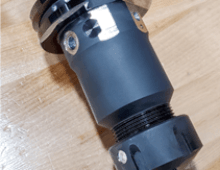
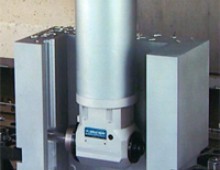
When that inevitable job arises that requires higher RPM output, operators are left with the choice of replacing the machine altogether to gain higher productivity, or looking into an attachment, like a spindle speeder, to close the RPM gap.
As a raw material, tungsten carbide is a limited natural resource and a widely popular tool material due to its hardness and heat resistance. We can both save money by reducing the consumption of carbide and help our environment by fully utilizing every tool before recycling the rest.
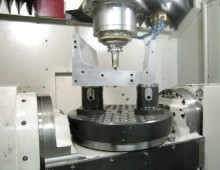
Five-axis roughing can be painstaking. Pairing the right holder with the right cutter can save serious time while cutting and when setting up -- and eliminate those pain points.
When it comes to securely and accurately situating material on a machine table, there’s often more than one way to get the job done. With that in mind, consider these fundamental factors before purchasing new workholding.
A lot of conflicting information has circulated about balancing tools over the years. Let's clear some things up and make life a little easier for you.